

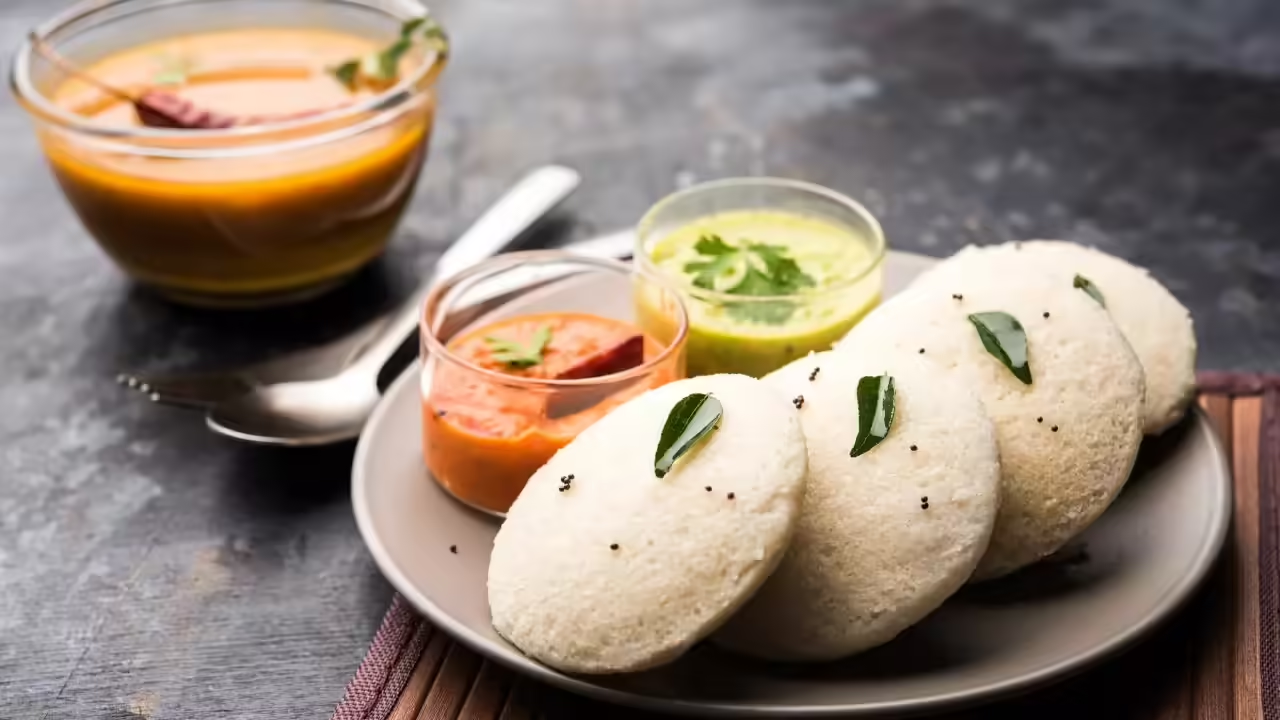
Idli Sambar Recipe is more than just a breakfast dish; it is an emotion that connects generations, kitchens, and cultures across South India and beyond. The soft, cloud-like idlis paired with aromatic, slow-cooked sambar create a balance of nutrition, taste, and warmth that few meals can match. In many Indian homes, this dish marks peaceful mornings, family gatherings, and temple feasts.
Growing up, many of us remember waking up to the sound of idli steamers and the fragrance of sambar simmering gently on the stove. This dish carries nostalgia, but it also adapts beautifully to modern kitchens. Whether served for breakfast, lunch, or dinner, idli sambar remains timeless.
The Cultural Roots Behind Idli and Sambar
The history of idli can be traced back centuries, evolving through South Indian temple kitchens and royal households. According to food historians like K. T. Achaya, fermentation played a vital role in ancient Indian cooking, making idli a naturally healthy meal long before probiotics became a trend. Sambar, on the other hand, is believed to have originated in Thanjavur, influenced by Maratha kitchens and Tamil culinary traditions.
Renowned chefs such as Chef Damu and Chef Venkatesh Bhat often highlight that authentic idli sambar depends less on fancy ingredients and more on patience, balance, and respect for tradition. Each region adds its own touch, but the soul of the dish remains the same.
Understanding the Soul of an Authentic Idli Sambar Recipe
A truly satisfying Idli Sambar Recipe relies on three pillars: perfectly fermented batter, soft steaming, and a well-balanced sambar. The idli must be light yet structured, while the sambar should have depth from lentils, vegetables, tamarind, and freshly ground spices.
Unlike restaurant versions that may taste heavy, a homestyle recipe focuses on clarity of flavors. The aroma of mustard seeds crackling in oil, curry leaves releasing their fragrance, and freshly ground sambar masala blending with lentils makes all the difference.
Ingredients Required for Idli Batter Preparation
Traditional idli batter uses minimal ingredients, yet demands precision. The quality of rice and urad dal directly impacts the final texture. Experienced home cooks often prefer short-grain idli rice, as it absorbs water well and ferments evenly.
The soaking, grinding, and fermentation stages require attention, especially in cooler climates. Natural fermentation creates air pockets in the batter, resulting in fluffy idlis without any artificial agents.
Step-by-Step Idli Batter Preparation Process
Preparing idli batter is a ritual in many South Indian homes. Rice and urad dal are soaked separately to ensure proper grinding. Grinding the dal until it becomes light and airy is crucial, as this introduces air that later helps the batter rise.
Once mixed, the batter is left to ferment overnight in a warm place. During fermentation, natural bacteria break down starches, improving digestibility and enhancing flavor. The batter should have a mild sour aroma and visible bubbles by morning.
Steaming Idlis to Perfection
Steaming idlis requires gentle heat and patience. Over-steaming can make them dry, while under-steaming leaves the center raw. Traditional idli steamers distribute heat evenly, ensuring uniform cooking.
Freshly steamed idlis should be soft, moist, and spring back when pressed lightly. This texture is what makes the Idli Sambar Recipe truly satisfying, as the idli absorbs sambar beautifully without falling apart.
Sambar: The Heart of the Idli Sambar Recipe
Sambar is not just a lentil curry; it is a layered dish built slowly. Toor dal forms the base, cooked until soft and mashed to a creamy consistency. Vegetables such as drumstick, pumpkin, carrot, and brinjal add sweetness and texture.
The tanginess from tamarind balances the earthiness of lentils, while sambar powder adds warmth and complexity. A well-made sambar should be neither too thick nor watery, allowing it to coat the idli gently.
Traditional Sambar Masala and Its Importance
Authentic flavor in a Idli Sambar Recipe often comes from freshly prepared masala. Dry roasting coriander seeds, red chilies, fenugreek, and cumin releases essential oils that elevate the dish.
Many South Indian households prepare their own sambar powder weekly. This practice ensures freshness and allows customization based on spice tolerance. Chefs like Mallika Badrinath emphasize that homemade masala creates depth that store-bought versions often lack.
Cooking Sambar the Traditional Way
The process of making sambar begins with cooking dal until soft. Tamarind water is then added, followed by vegetables that cook gently without losing shape. Once vegetables are tender, sambar powder is stirred in and simmered slowly.
The final tempering is where magic happens. Mustard seeds, dried red chilies, curry leaves, and asafoetida are sautéed in oil or ghee and poured over the sambar. This step enhances aroma and gives the dish its signature finish.
Why This Idli Sambar Recipe Works Every Time
What makes this Idli Sambar Recipe reliable is its balance. It avoids shortcuts and respects traditional methods while remaining practical for modern kitchens. Each step builds flavor gradually, ensuring consistency.
The idlis remain soft even after cooling slightly, and the sambar tastes even better as it rests, allowing flavors to mature. This makes the dish ideal for both family meals and festive occasions.
Health Benefits of Idli and Sambar
Idli and sambar together form a nutritionally complete meal. Idlis are steamed, making them light and low in fat. Fermentation improves gut health and nutrient absorption.
Sambar provides protein from lentils, fiber from vegetables, and antioxidants from spices. Nutritionists often recommend this meal for all age groups due to its digestibility and balanced profile.
Serving Idli Sambar the Traditional Way
In South Indian homes, idlis are often served soaked partially in sambar, allowing them to absorb flavor. Coconut chutney is served alongside, adding freshness and contrast.
Restaurants may plate idlis separately, but at home, mixing idli and sambar together creates a comforting, soulful experience. This style truly captures the essence of the dish.
Regional Variations Across South India
Tamil Nadu sambar is slightly tangy and lighter, while Karnataka versions lean towards sweetness. Andhra sambar is spicier, with bold chili flavors, whereas Kerala sambar often includes coconut.
Despite these variations, the base philosophy remains the same. Every region adapts the Idli Sambar Recipe to local tastes while honoring tradition.
Expert Tips from South Indian Home Cooks
Experienced cooks suggest using rock salt instead of refined salt for fermentation. Grinding batter in batches prevents overheating, preserving natural yeast.
For sambar, slow simmering rather than rapid boiling ensures better flavor integration. These small details elevate the dish from good to exceptional.
Modern Kitchen Adaptations Without Losing Authenticity
Today, many use wet grinders, blenders, and instant pots. While tools have changed, the principles remain constant. Allowing time for fermentation and slow cooking still matters.
Even in busy lifestyles, preparing this dish over a weekend can provide comfort meals for days. The Idli Sambar Recipe adapts beautifully without losing its soul.
Why Idli Sambar Remains Timeless
Few dishes manage to stay relevant across centuries. Idli sambar has survived trends, diet fads, and globalization because it satisfies both body and soul.
From temple prasadam to five-star hotel buffets, this dish holds its place with quiet confidence. Its simplicity is its strength.
Final Thoughts on Mastering Idli Sambar at Home
Mastering idli sambar is not about perfection but understanding balance. Each attempt teaches something new, whether about fermentation, spice balance, or timing.
With practice, this dish becomes intuitive, allowing cooks to adjust flavors effortlessly. That is the true beauty of a classic South Indian meal.
Read also:
tubata reviews
one8 commune menu
sexy fish menu
jalebi in english