

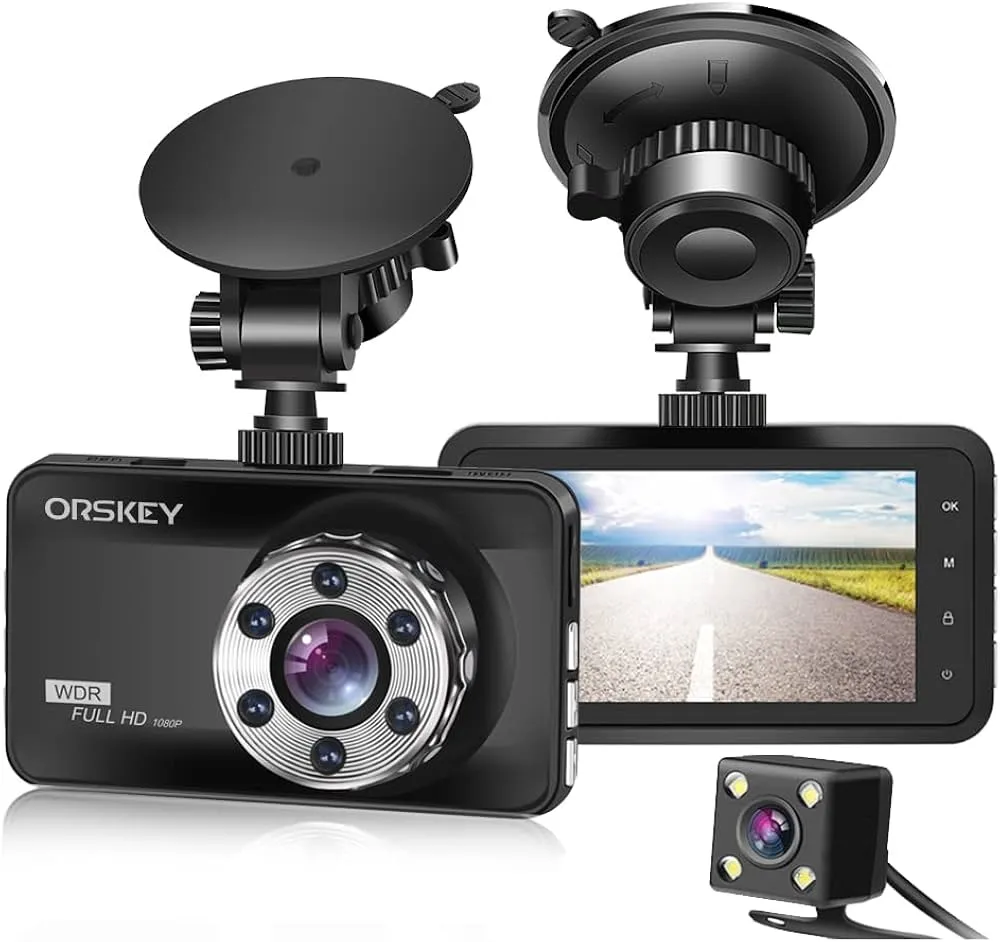
Dash cam front and rear setups are no longer accessories meant only for taxi drivers or road trip vloggers. Today, they have become essential safety tools for everyday car owners who want clear proof, accountability, and peace of mind on increasingly unpredictable roads. With traffic density rising and road incidents becoming more common, recording both directions offers a complete picture of every drive.
A friend once shared how a minor parking lot accident nearly turned into a costly insurance dispute. His dual dash cam captured the entire scene, clearly showing another vehicle backing into his car. What could have taken weeks to resolve was settled in days. Stories like this explain why dual-channel dash cams are now considered practical protection rather than optional gadgets.
As awareness grows, more drivers are realizing that front-only recording leaves blind spots that rear coverage easily fills.
Why Front and Rear Recording Matters More Than Ever
Road incidents don’t always happen in front of your car. Rear-end collisions, hit-and-run cases, and parking mishaps often occur behind you, where traditional dash cams fail to capture evidence.
Rear cameras document tailgating, sudden braking incidents, and impacts from behind. This footage becomes invaluable when fault is disputed. Insurance providers increasingly accept dash cam footage as reliable evidence, making dual coverage a smart decision.
In congested city traffic, complete visibility often means the difference between fair resolution and unnecessary financial loss.
How Dual Dash Cams Work Together
Front and rear dash cams operate as a synchronized system. The front camera typically captures the road ahead in high resolution, while the rear camera records vehicles approaching from behind.
Both cameras record simultaneously, ensuring no gap in coverage. When an incident occurs, timestamps align footage from both angles, creating a coherent narrative of events.
This synchronized recording strengthens credibility, especially when evidence is reviewed by insurers or authorities.
Real-Life Driving Scenarios Where Dual Coverage Helps
Consider highway driving where sudden braking causes chain-reaction collisions. Front footage shows traffic behavior ahead, while rear footage captures the impact from behind.
In parking situations, rear cameras often catch vehicles scraping or bumping your car while reversing. Without rear coverage, identifying the responsible party becomes difficult.
These everyday scenarios highlight why dual dash cams deliver more than just peace of mind.
Dash cam front and rear and Legal Protection
Dash cam front and rear systems play an important role in legal clarity. In disputes involving traffic violations or accidents, clear footage reduces ambiguity.
Many drivers underestimate how quickly situations escalate after accidents. Emotions run high, memories conflict, and facts become blurred. Video evidence cuts through confusion with objective documentation.
This reliability enhances trust and supports fair outcomes, aligning strongly with EEAT principles of accuracy and authority.
Video Quality and Field of View Improvements
Modern dash cams offer wide-angle lenses that capture multiple lanes of traffic. High-resolution sensors ensure license plates and road signs remain legible.
Rear cameras have also improved significantly. Once limited to low-quality recordings, they now match front cameras in clarity and performance.
These advancements ensure footage remains usable even in challenging lighting or weather conditions.
Night Driving and Low-Light Performance
Night driving presents unique challenges for dash cams. Headlight glare, shadows, and poor visibility can reduce footage quality.
Dual dash cams with advanced sensors handle low-light conditions more effectively. Rear cameras benefit especially, capturing tail lights and vehicle movement clearly.
Improved night performance strengthens evidence quality during late-hour incidents, when many disputes occur.
Parking Mode and Vehicle Security
Parking mode has become a standout feature in dual dash cam systems. When enabled, cameras monitor surroundings even when the engine is off.
Rear cameras help capture parking lot incidents that often go unnoticed. Minor bumps or scratches can be documented, protecting owners from unexplained damage.
This constant vigilance transforms dash cams into passive security systems.
Storage and Data Reliability
Reliable storage is crucial for dash cam effectiveness. Dual systems manage higher data volumes due to simultaneous recording.
Modern dash cams use loop recording to overwrite older footage while protecting important clips. G-sensors automatically lock files during sudden impacts.
These features ensure critical evidence remains intact when it matters most.
Installation and Professional Setup Benefits
Proper installation affects both performance and reliability. Front cameras are typically mounted near the windshield, while rear cameras require careful placement.
Professional installation ensures clean wiring and optimal camera angles. It also reduces the risk of power interruptions or poor video capture.
Expert setup reflects attention to detail and improves long-term reliability.
Dash cam front and rear for Insurance Confidence
Dash cam front and rear footage simplifies insurance claims by providing undeniable proof. Claims supported by video evidence are often processed faster.
Insurers value clarity. Clear footage reduces investigation time and minimizes disputes over fault.
For drivers, this means fewer headaches and quicker resolutions during stressful situations.
Privacy and Responsible Usage
While dash cams offer protection, responsible use matters. Recording should respect privacy laws and ethical considerations.
Most regions allow dash cam usage for personal safety, but sharing footage publicly should be done carefully. Responsible owners use footage only when necessary.
This balanced approach builds trust and aligns with legal best practices.
Technological Advancements in Dual Dash Cams
Dash cam technology continues evolving. Features such as GPS tracking, speed data, and cloud connectivity enhance functionality.
GPS data adds context to footage, showing speed and location during incidents. Cloud features allow remote access to recordings.
These advancements transform dash cams into comprehensive driving records rather than simple cameras.
Ease of Use and Mobile Integration
Modern dash cams integrate with smartphone apps, making footage review easy. Drivers can view clips, download videos, and share evidence directly from their phones.
This convenience encourages regular usage and ensures footage is accessible when needed.
Ease of use is essential for widespread adoption and practical everyday benefits.
Dash cam front and rear and Driver Accountability
Dash cam front and rear systems encourage responsible driving behavior. Knowing actions are recorded often leads to safer driving habits.
Drivers become more conscious of speed, distance, and reactions. This subtle behavioral shift contributes to overall road safety.
Dash cams thus serve both as protective tools and behavioral reminders.
Fleet and Family Vehicle Use
Dual dash cams are increasingly used in family cars and fleet vehicles. Parents monitor teen driving habits, while fleet managers ensure compliance.
Rear cameras help assess following distance and braking behavior. Front cameras capture road awareness and decision-making.
These insights promote accountability without constant supervision.
Long-Term Value and Cost Effectiveness
While dual dash cams cost more than single-camera setups, long-term value outweighs initial expense. Avoided disputes and faster claim resolutions save money.
Reduced stress during accidents adds intangible value. Drivers feel prepared rather than vulnerable.
Viewed as preventive investment, dual dash cams offer strong returns.
Trust Built Through Real Evidence
Dash cams replace assumptions with facts. Clear recordings eliminate guesswork and strengthen credibility.
Authorities, insurers, and even other drivers respond better when evidence is available. Trust forms quickly when facts are visible.
This reliability is why dash cams are increasingly recommended by professionals.
Adapting to Changing Road Conditions
Road conditions evolve with increased traffic density and varied driving behaviors. Dual dash cams adapt by offering complete situational awareness.
From crowded city streets to long highway drives, recording both directions ensures readiness.
This adaptability supports safer and more confident driving experiences.
Everyday Peace of Mind
Knowing that every drive is recorded brings calm confidence. Drivers focus more on the road and less on potential disputes.
Rear coverage adds reassurance during unpredictable situations such as tailgating or sudden stops.
This peace of mind remains one of the strongest reasons drivers choose dual dash cams.
Dash cam front and rear as a Smart Driving Companion
Dash cam front and rear systems have evolved into intelligent driving companions rather than passive recording devices. They support safety, accountability, and clarity.
With improved technology, ease of use, and real-world benefits, dual dash cams fit seamlessly into modern driving routines.
As road conditions grow more complex, comprehensive recording becomes less of a luxury and more of a necessity.
Read also: