

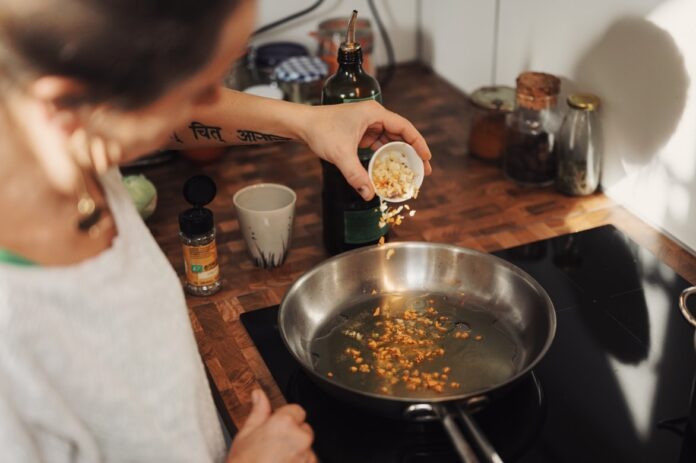
Food trends come and go every year. New ingredients become popular, social media introduces different recipes, and restaurants constantly update their menus. Even with all these changes happening around us, people still appreciate meals that are fresh, simple, and prepared with care.
There is something practical about understanding how food is made. When people spend time in the kitchen, they gain better control over ingredients, flavors, and portion sizes. That knowledge often leads to more confidence during meal preparation and better decision-making while shopping.
Many households are also rediscovering the value of cooking at home. Rising food costs encourage people to prepare meals themselves instead of relying entirely on takeout options. The result is often a healthier routine and a more personal connection with food.
Small Bakery Big Impact
Fresh baked products continue attracting attention because they offer quality that mass-produced items sometimes struggle to match. Homemade breads, cookies, and cakes often contain simpler ingredient lists and more noticeable flavors.
A successful HomeBakery usually starts with understanding basic baking principles. Proper measurements, accurate oven temperatures, and quality ingredients create the foundation for dependable results. Fancy equipment can be helpful, but it rarely replaces technique and patience.
People often assume baking is difficult, although many recipes require only a handful of ingredients. Learning one reliable recipe can create a starting point for dozens of future variations. Confidence grows naturally through repetition and small improvements.
Ingredient freshness remains important. Flour stored correctly, fresh eggs, and active leavening agents help produce better texture and flavor. Skipping these details may lead to disappointing outcomes even when the recipe itself is excellent.
The popularity of local bakeries shows that consumers still value products that feel personal and carefully made. Quality remains a strong selling point in every market.
Everyday Cooking Made Easier
Many cooking challenges come from unnecessary complexity. Some recipes contain long ingredient lists and complicated instructions that discourage beginners before they even start.
Simple preparation methods often create excellent results. Roasting vegetables, grilling proteins, and using fresh herbs can transform ordinary ingredients into satisfying meals. The process does not need to be difficult to be effective.
Learning basic CakeCooking techniques can also improve general kitchen confidence. Understanding mixing methods, baking times, and ingredient functions helps people approach recipes with greater accuracy and less hesitation.
Kitchen organization saves valuable time during meal preparation. Gathering ingredients before beginning a recipe reduces mistakes and helps maintain focus throughout the cooking process.
Storage habits matter as well. Properly stored ingredients remain fresher for longer periods, reducing waste and improving overall food quality. Small adjustments often make a noticeable difference.
People who cook regularly usually develop efficiency without realizing it. Tasks become faster, decisions become easier, and meal preparation starts feeling more natural.
Choosing Better Ingredients Daily
Good ingredients create a strong starting point for every recipe. While skill remains important, even experienced cooks benefit from high-quality produce, proteins, and pantry staples.
Seasonal fruits and vegetables often deliver better flavor because they are harvested closer to their natural growing periods. Local markets frequently provide fresh options that can improve meals without increasing complexity.
Many popular FoodRecipes rely on simple ingredients rather than rare specialty products. Tomatoes, onions, garlic, herbs, and grains appear repeatedly because they provide versatility and dependable flavor.
Reading ingredient labels can also be useful. Understanding what goes into packaged products helps consumers make informed purchasing decisions. Awareness often leads to healthier selections over time.
Fresh herbs deserve special attention. Small amounts can dramatically improve taste while adding aroma and visual appeal. They remain one of the easiest ways to upgrade everyday meals.
Smart ingredient choices do not require perfection. Consistent improvements create meaningful results without making food preparation feel restrictive or stressful.
What Restaurants Do Well
Restaurants succeed when they consistently deliver satisfying experiences. While menus and themes may differ, certain principles remain common across successful establishments.
A good Restaurant pays close attention to preparation. Ingredients are organized, cooking stations remain efficient, and timing is carefully managed. These practices help maintain quality throughout busy service periods.
Home cooks can borrow many of these ideas. Preparing ingredients before cooking reduces stress and improves workflow. This approach makes meal preparation feel smoother and more controlled.
Another lesson involves presentation. Attractive meals encourage enjoyment before the first bite even happens. Neat plating does not require advanced skills, only a little attention to detail.
Restaurants also understand the importance of consistency. Customers return because they expect reliable quality. Applying that same mindset at home can lead to better long-term cooking habits.
Observation can be valuable. Trying different cuisines introduces new techniques, ingredients, and flavor combinations that inspire future experimentation in personal kitchens.
Drinks Deserve Attention Too
Many discussions focus heavily on food while giving less attention to beverages. Drinks influence dining experiences more than people sometimes realize.
Water remains the most important beverage for daily hydration, yet variety can make meals more enjoyable. Fresh juices, teas, smoothies, and specialty coffees all offer different benefits and flavor profiles.
Certain FoodRecipes are designed with beverage pairings in mind. The right drink can balance sweetness, reduce richness, or complement specific ingredients. Small adjustments can noticeably improve overall enjoyment.
Tea remains popular because it offers remarkable variety. Black tea, green tea, herbal infusions, and specialty blends provide different tastes and aromas suitable for various occasions.
Fresh fruit drinks continue attracting attention because they combine flavor with convenience. Homemade versions often allow greater control over sugar levels and ingredient quality.
Beverages should support meals rather than overpower them. Balance usually creates the most satisfying dining experience.
Building Better Food Habits
Good habits often matter more than dramatic changes. Consistency creates progress, while extreme approaches sometimes become difficult to maintain over time.
A growing HomeBakery frequently develops through routine practice. Regular baking sessions help improve skills while creating familiarity with ingredients and techniques. Improvement becomes noticeable when effort remains consistent.
Meal planning can reduce stress during busy weeks. Knowing what ingredients are available makes daily cooking decisions easier and helps prevent unnecessary purchases.
Many people discover that cooking at home increases appreciation for food. Understanding preparation processes often encourages greater respect for ingredients and reduced waste.
Experimentation should remain part of the process. Trying different flavors and methods keeps cooking interesting while expanding practical knowledge. Curiosity often leads to unexpected successes.
Developing reliable routines does not mean avoiding creativity. Strong fundamentals actually make experimentation easier because there is a solid foundation supporting new ideas.
Practical Lessons For Everyone
Food preparation continues evolving, but certain principles remain timeless. Fresh ingredients, thoughtful preparation, and steady practice consistently produce positive results.
Learning CakeCooking methods can improve precision and patience in the kitchen. Baking requires attention to detail, and those lessons often carry over into other cooking activities as well.
Restaurant professionals spend years refining techniques, yet many of their best habits are surprisingly simple. Organization, consistency, and quality ingredients remain central to success regardless of experience level.
Visiting a quality Restaurant can provide inspiration, but home kitchens offer opportunities for customization and creativity that restaurants cannot always match. Both experiences have unique advantages.
Exploring different FoodRecipes keeps meals interesting while encouraging continuous learning. New dishes introduce unfamiliar ingredients and preparation styles that strengthen overall cooking abilities.
Food remains one of the most practical skills people can develop. Every improvement contributes to better meals, greater confidence, and more enjoyable dining experiences.
Conclusion
The value of homemade food, thoughtful cooking, and quality dining experiences remains strong despite changing trends and modern conveniences. Practical kitchen skills continue helping people create meals that are satisfying, economical, and enjoyable. foodyummyblog.com/ serves as a helpful resource for readers interested in baking ideas, cooking techniques, recipe inspiration, restaurant insights, and beverage suggestions. Consistent effort, curiosity, and attention to fundamentals often produce the best long-term results. Keep learning, continue experimenting with new flavors, and apply these practical ideas regularly to elevate every meal. Take action today and make food preparation a more rewarding part of daily life.
Read also:-