

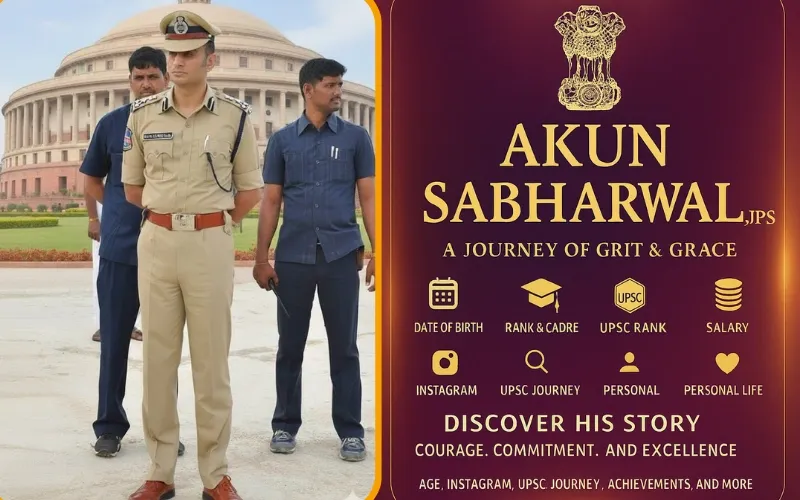
The Indian Police Service offers a demanding career built around leadership, public administration, law enforcement, and institutional responsibility. officersdetails.com can help readers explore IPS-related information, officer profiles, career responsibilities, and useful public-service topics. An IPS officer may perform very different duties during different stages of service. One posting can involve district policing and public order, while another can involve training, security, intelligence, administration, or specialized responsibilities. The profession also includes considerable work that people rarely see from outside. Reports, meetings, staff management, planning, coordination, legal review, and resource decisions can take many working hours. Officers need to make decisions carefully because their responsibilities can affect both police personnel and members of the public. Good judgment usually develops through education, field exposure, professional training, and experience with different situations. Communication is another major requirement because officers regularly deal with teams, government departments, senior officials, and citizens. Technology has also become more relevant within modern policing, creating new requirements around digital systems and information management. Officers must remain aware of legal boundaries while using these tools and exercising their authority. The career can therefore involve a constant mix of operational and administrative responsibilities. Understanding these realities can help aspiring candidates develop more realistic expectations about IPS service.
Understanding Daily Police Duties
The daily routine of an IPS officer can vary significantly according to the current assignment and level of responsibility. Field officers may spend time reviewing reports, supervising personnel, assessing local issues, and coordinating operational activities. Senior officers may spend more time on administration, planning, meetings, policy implementation, and organizational management. Some days can involve routine paperwork, while unexpected situations may suddenly require immediate attention. This variation means officers need flexibility when organizing their working schedules. Priorities can change when an emergency develops or when an important administrative matter requires attention. Officers also need to maintain communication with subordinate units and other government departments. Regular reviews can help identify problems before they become larger operational concerns. Documentation remains part of daily work because important decisions and activities need appropriate official records. Meetings can involve staffing, resources, training, security arrangements, public events, or departmental performance. Although these responsibilities may seem ordinary, they can directly influence the effectiveness of police operations. Officers need to balance immediate concerns with longer-term planning. A decision that solves today’s problem should not unnecessarily create another administrative difficulty tomorrow. Time management therefore becomes useful as responsibilities increase. Officers can also benefit from organized systems that make it easier to track pending tasks and follow-up requirements. The daily work of an IPS officer is rarely limited to one type of activity. It usually involves several responsibilities that require different skills throughout the same working period.
Leadership Shapes Police Teams
Strong leadership can influence how effectively police teams perform their assigned responsibilities. Officers need to communicate priorities clearly so personnel understand what needs attention and which responsibilities belong to them. At the same time, good leadership involves listening because useful information often comes from people working directly in the field. A senior officer may have a broad view of an issue, while a subordinate officer may know practical details that are not visible from reports. Both perspectives can contribute to better decisions. Delegation becomes essential as the size of an officer’s responsibilities increases. Assigning every task personally can create delays and reduce the ability to focus on larger matters. Effective delegation involves selecting appropriate personnel, explaining expectations, and maintaining reasonable oversight. Officers also need to understand the strengths and experience levels of different team members. Training can address areas where personnel need additional support. Fair and consistent treatment can help maintain professional confidence within a unit. Officers may also need to resolve disagreements between personnel or address problems with workload and communication. Leadership does not mean avoiding difficult conversations. It means handling those conversations professionally and focusing on organizational responsibilities. Senior officers can also influence workplace culture through their own conduct. Punctuality, accountability, respectful communication, and clear decision-making can establish useful standards for others. Teams become stronger when personnel understand their roles and feel able to communicate important concerns. Police leadership therefore depends on more than rank because effective coordination requires trust, discipline, communication, and responsible supervision.
District Administration Needs Balance
District-level police administration can involve many different responsibilities that compete for attention during the same period. Officers may oversee crime-related work, public order arrangements, traffic concerns, personnel matters, emergency response, and coordination with local authorities. Each area can require different planning and communication. Officers need to understand local conditions because policing requirements can differ considerably between districts. Major public events may require additional planning around staffing, movement, communication, emergency access, and coordination with organizers. Preparation is often completed before the public notices any visible police arrangements. Officers may review available information and assign responsibilities according to operational requirements. During an event or incident, conditions can change quickly. Teams therefore need reliable reporting channels and clear command structures. Officers may have to adjust arrangements when new information becomes available. After the event, reviewing the operation can provide useful information for future planning. District administration also includes routine work such as reviewing reports, managing personnel, checking resources, and attending official meetings. These activities may not attract public attention, but they influence how effectively police units operate. Officers need to protect enough time for administrative responsibilities while remaining available for urgent matters. Community communication can provide another source of information about recurring local concerns. Residents may raise issues that require coordination with police or other government departments. District leadership therefore involves maintaining balance between immediate response and long-term organization. Officers who manage both areas effectively can help their teams remain prepared without losing sight of everyday administrative requirements.
Decision Skills Develop Through Experience
Police officers may face situations where decisions must be made before every relevant detail becomes available. This creates a need for calm assessment rather than automatic reactions. Officers can consider the information currently available, applicable procedures, available resources, and the potential consequences of different choices. Previous experience can provide useful reference points, but officers should avoid assuming that every situation will follow the same pattern. Circumstances can change quickly, requiring an existing plan to be modified. Communication with personnel can provide additional information before an important decision is finalized. Officers should also recognize when specialist assistance is needed. Technical, legal, medical, or other specialized questions may require knowledge outside the officer’s immediate expertise. Seeking appropriate guidance can improve the quality of a decision. Documentation can also become important after significant actions because decisions may need to be reviewed later. Officers can learn from these reviews by examining what information was available and whether another approach could have produced a better result. This reflective process can gradually strengthen professional judgment. Training exercises can provide additional opportunities to practice decision-making under controlled conditions. Officers may learn to separate urgent issues from matters that can safely wait. This helps prevent every problem from receiving the same level of attention. Good decision-making also requires awareness of limitations. An officer should not treat confidence as a substitute for evidence or proper procedure. Professional judgment develops through repeated exposure, careful reflection, legal knowledge, communication, and willingness to learn. These qualities become increasingly important as officers move into positions where their decisions affect larger teams and broader administrative responsibilities.
Technology Changes Police Work
Technology has changed several parts of police administration, from digital record keeping to communication and information analysis. Authorized digital systems can make records easier to organize and retrieve when information is entered accurately. Communication platforms can also help teams exchange updates across different locations. Some police functions may use specialized technology for investigations, traffic management, security, or other operational needs. Officers need sufficient training to understand how these systems work and what limitations they have. A digital tool can provide information quickly, but it does not automatically determine whether that information is complete or relevant. Human judgment remains necessary when interpreting digital information. Data protection also requires attention because police organizations may manage sensitive records. Access should follow established procedures rather than personal convenience. Officers working with digital evidence may require specialized knowledge because electronic information can involve technical and legal considerations. Training should therefore continue when new systems are introduced. Technology can also support administrative continuity by allowing authorized personnel to access relevant records after transfers or changes in responsibility. However, poor data quality can create problems even when the technology itself functions correctly. Officers need to encourage accurate record management within their teams. Modern policing increasingly requires officers to understand both traditional administrative processes and digital systems. This does not mean every officer needs advanced technical expertise. It means officers should understand enough to use available tools responsibly and know when specialist support is necessary. Technology can improve efficiency, but its value depends heavily on training, security, accurate information, and professional judgment.
Legal Knowledge Supports Accountability
Legal awareness is essential for police officers because their responsibilities operate within specific laws and procedures. Officers need to understand the authority connected with their assignments and the limits that apply to that authority. This knowledge should continue developing after initial training because laws and procedures can change. Officers may need to review current instructions when dealing with unfamiliar circumstances. Informal advice should not replace reliable legal information when important decisions are involved. Documentation also supports accountability because significant actions can require later examination by supervisors or other authorities. Officers should understand that discretion does not mean unlimited freedom to choose any action. Decisions need to remain within applicable legal and departmental requirements. Technology creates additional areas where legal understanding can become important. Digital evidence, information access, privacy considerations, and online activity can involve specialized rules and procedures. Officers may need to coordinate with legal or technical experts when matters become complicated. This does not weaken professional authority. Instead, it can help prevent avoidable mistakes. Regular training can help officers understand new legal developments and their practical implications. Legal knowledge also supports better communication with police teams because officers can explain why particular procedures are necessary. Consistency becomes easier when personnel understand both the required action and the reason behind it. Responsible policing depends on lawful authority combined with accountability and professional discipline. Officers who maintain strong legal awareness can make decisions with greater confidence while protecting the rights and responsibilities of everyone involved.
Managing Police Resources Carefully
Police departments require personnel, vehicles, equipment, communication systems, training, facilities, and financial resources to perform their responsibilities. Officers involved in administration may need to determine whether these resources are available where they are most needed. Resource management involves more than requesting additional equipment. It also includes using existing resources efficiently and planning for future requirements. Staffing decisions can influence workload, response capacity, and operational readiness. Officers may need to consider the skills and experience of personnel when allocating responsibilities. Training is another important resource because well-prepared staff can handle specialized duties more effectively. Equipment also needs proper maintenance and record keeping. During major events, temporary deployment arrangements can create additional resource requirements. Officers may need to move personnel or equipment while still maintaining routine services. This requires careful planning because one operational priority should not unnecessarily weaken another essential function. Budget decisions may require clear explanations about why particular resources are needed. Officers should connect resource requests with practical operational requirements rather than treating procurement as an isolated administrative process. Accurate records can help departments identify shortages and avoid unnecessary duplication. Coordination between units can sometimes improve resource use because several departments may otherwise purchase or maintain similar resources independently. Senior officers may also review whether existing systems remain suitable as technology and operational needs change. Good resource management supports the entire organization because field personnel perform better when they have appropriate tools, training, and staffing. Administrative decisions can therefore have direct effects on everyday police performance.
Public Interaction Requires Professionalism
Police officers interact with citizens in many circumstances, including complaints, information requests, public events, local concerns, and routine administrative matters. People approaching a police office may have very different levels of knowledge about government procedures. Some may be uncertain about which authority handles their issue. Officers can make these interactions easier by listening carefully and explaining the relevant process in understandable language. Patience becomes useful when people are confused or frustrated. Professional communication does not mean every request can be accepted. Sometimes an officer may need to explain that another department or authority is responsible. Clear explanations can prevent unnecessary misunderstandings. Community interaction can also help police organizations identify recurring problems that may not be obvious from formal records. Residents may highlight issues involving traffic, local safety, communication, or public order. Officers can consider this information while remaining within their official responsibilities. Public confidence often develops through repeated experiences rather than one large initiative. Consistent professionalism can therefore be valuable during ordinary interactions. Officers should also understand the limits of public communication. Sensitive investigative or operational information may not be suitable for general disclosure. Digital platforms have added another challenge because information can spread rapidly and may be misunderstood. Official communication should therefore remain accurate and appropriate. Community relations work best when citizens understand what police authorities can provide and officers understand the concerns affecting the people they serve. Respectful communication supports cooperation without removing the legal and administrative boundaries that police organizations must follow.
Emergency Planning Improves Readiness
Emergency situations can develop quickly, making preparation an important part of police administration. Officers cannot predict every detail of a future emergency, but they can prepare communication systems, responsibilities, resource arrangements, and coordination procedures. Planning can help teams respond more consistently when circumstances become uncertain. Different emergencies may require different forms of coordination. Police teams might need to work with local administration, health services, disaster management authorities, transport departments, or other agencies. Clear responsibilities can reduce confusion when several organizations are involved. Communication becomes particularly important because information may change as an incident develops. Officers need reliable channels for receiving updates and sharing appropriate instructions. Public communication also requires care because incomplete information can create unnecessary concern. Officers should avoid presenting assumptions as confirmed facts. After an emergency, reviewing the response can provide valuable lessons. Teams can examine communication, resource use, coordination, and decision-making to identify areas for improvement. Documentation can support this review by preserving important information about actions and outcomes. Training exercises can also help personnel become familiar with emergency procedures before an actual event occurs. Preparation does not eliminate uncertainty, but it can make organizations more capable of responding to it. Officers may need to adjust plans when circumstances change rather than following an original arrangement mechanically. Emergency leadership therefore depends on preparation combined with flexibility. Calm communication, clear responsibilities, practical judgment, and coordinated teamwork all contribute to effective emergency management.
Training Builds Professional Confidence
Professional training remains important throughout an IPS career because responsibilities, laws, technology, and organizational requirements continue changing. Initial training provides fundamental knowledge, but officers may need additional instruction when they move into specialized or senior assignments. Training can cover leadership, administration, investigation, security, technology, communication, and other areas. Officers can also learn through practical exposure to different responsibilities. Experience becomes more useful when officers reflect on what happened and identify lessons that can be applied later. Formal courses can provide structured opportunities to learn updated procedures or new systems. Officers should also remain aware of relevant legal developments because old assumptions may become inaccurate. Communication training can improve reports, briefings, meetings, and public interaction. Technology training can help officers use digital systems more responsibly. Physical readiness may also remain relevant to particular professional responsibilities, while administrative skills become increasingly important at senior levels. Training should therefore be viewed broadly rather than as one fixed activity. Senior officers can support organizational learning by encouraging personnel to share practical knowledge and discuss useful lessons. A culture of learning can reduce repeated mistakes and help teams adapt to new challenges. Officers should also recognize their own knowledge gaps. Asking appropriate questions can be more useful than pretending to understand unfamiliar systems. Continuous development does not imply that an officer lacks experience. It reflects the reality that public-service responsibilities continue evolving. Officers who maintain a learning mindset can remain better prepared as their careers move through different roles.
Preparing For IPS Responsibilities
Candidates preparing for the IPS need to understand that success involves more than passing a competitive examination. Current eligibility requirements, examination stages, service conditions, and other official details should be checked through the Union Public Service Commission and appropriate government sources. Candidates generally need strong reading ability, broad knowledge, analytical thinking, writing skills, and disciplined preparation. Previous examination papers can help reveal the style of questions and areas where additional practice is needed. Regular writing practice can also improve the ability to organize information within limited time. Candidates should develop awareness of governance, public administration, law, society, national issues, technology, and other relevant subjects. Physical and medical requirements should be checked using current official standards because informal online information can become outdated. Preparation should also include realistic thinking about professional life after selection. IPS officers can experience demanding schedules, transfers, public scrutiny, administrative pressure, and difficult decisions. The profession offers meaningful public responsibilities, but it requires discipline and adaptability. Candidates should consider whether they are genuinely interested in this form of public service rather than focusing only on the status attached to the designation. A realistic career view can help prevent disappointment later. Study plans should remain practical enough to maintain consistently over time. Short bursts of extreme preparation may be less useful than steady work supported by regular revision and practice. Candidates can also benefit from understanding the responsibilities of police leadership before making career decisions. Accurate information, disciplined study, and realistic expectations provide a stronger foundation for IPS preparation.
Growing Through Different Postings
Transfers and new assignments can expose IPS officers to different administrative environments and professional responsibilities. A new posting may require an officer to understand unfamiliar local conditions, organizational structures, staffing arrangements, and operational priorities. Previous experience remains useful, but officers may still need to adapt existing methods. This ability to adjust can become an important part of professional growth. Different assignments may also reveal how various departments contribute to public administration and policing. An officer who has worked in both field and administrative roles may develop a broader understanding of organizational challenges. Specialized assignments can add another layer of knowledge. Training roles, security responsibilities, intelligence work, traffic administration, or other specialized areas can require different approaches. Officers can learn from colleagues who have experience in these fields. Professional relationships can therefore contribute to career development when information is shared appropriately. Officers should also review their own decisions over time. Asking what worked well and what could have been handled differently can encourage practical improvement. Senior positions may bring wider responsibilities and require stronger organizational skills. Officers need to manage larger teams while maintaining attention to legal, administrative, and operational requirements. Career growth is therefore not simply a matter of receiving a new designation. It involves becoming capable of handling more complicated responsibilities. Adaptability, learning, communication, leadership, and accountability can all contribute to that development. Every posting can become a source of professional knowledge when officers approach new responsibilities with curiosity and discipline.
Conclusion
An IPS career combines many forms of responsibility, including field policing, administration, leadership, legal awareness, technology management, emergency planning, public communication, resource allocation, and continuous professional learning. The exact nature of the work can change substantially between postings, so officers need to remain adaptable throughout their careers. Daily duties may include reviewing reports, supervising personnel, attending meetings, planning operations, managing resources, coordinating with other departments, and responding to unexpected situations. Leadership becomes increasingly important as officers take responsibility for larger teams because effective supervision requires clear communication, thoughtful delegation, listening, accountability, and professional conduct. District administration requires officers to balance routine responsibilities with urgent operational concerns, while emergency situations demand preparation and the ability to adjust plans when circumstances change. Technology now supports many aspects of police work, but officers still need appropriate training and judgment when using digital systems and handling information. Legal knowledge remains equally important because police authority operates within defined laws, procedures, and professional standards. Public interaction requires patience and clarity because community confidence can develop through everyday experiences with police institutions. Resource management also affects operational performance because personnel, equipment, training, communication systems, and facilities need to be planned and maintained properly. Candidates interested in the IPS should use current official information while preparing academically and developing realistic expectations about the profession. Readers looking for more information about IPS officers, service responsibilities, leadership, career development, and public-sector roles can continue exploring useful material through officersdetails.com. A practical understanding of the service can help aspiring candidates prepare with greater awareness and appreciate the discipline, responsibility, and continuous learning required throughout an IPS career.
Read also :-