

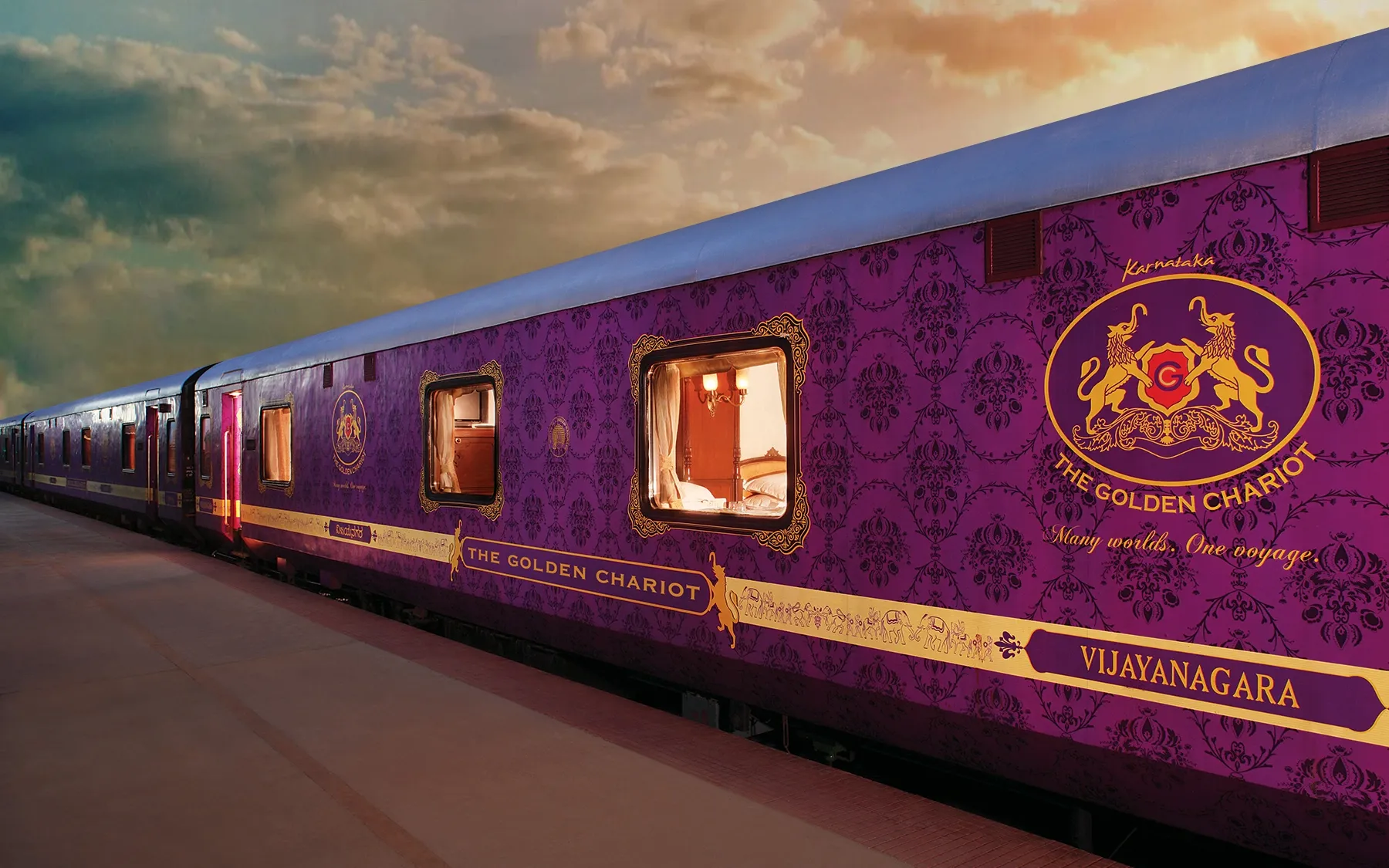
Luxury train journeys transport passengers to an era when travel itself was the destination, not merely a means to reach one. Last autumn, I boarded the Venice Simplon-Orient-Express in London, settling into an Art Deco compartment that had carried passengers across Europe since the 1920s. As the train glided through the English countryside toward the Channel, I understood immediately why these experiences command premium prices—this wasn’t just transportation, it was immersive theater combining history, gastronomy, scenery, and old-world elegance in ways that planes and cars can never replicate.
The romance of rail travel has experienced a remarkable renaissance among travelers seeking alternatives to hurried flights and impersonal highway drives. While modern transportation prioritizes speed and efficiency, these premium rail experiences embrace the opposite philosophy: slow down, savor the journey, and rediscover that getting there can be more memorable than arriving. The gentle rhythm of wheels on rails, panoramic windows framing ever-changing landscapes, and unhurried luxury create meditative travel experiences impossible to achieve at 35,000 feet.
What distinguishes these experiences from ordinary train travel extends far beyond plush seating and fine dining. The world’s most celebrated routes traverse spectacular landscapes unreachable by road, from mountain passes and coastal cliffs to remote wilderness and historic corridors. The combination of engineering achievement, natural beauty, impeccable service, and often fascinating history creates transformative travel moments that justify the substantial investment required.
Understanding What Makes These Experiences Exceptional
The defining characteristics that separate luxury rail experiences from conventional train travel involve meticulous attention to every detail of the passenger experience. These aren’t simply trains with nice amenities—they’re carefully orchestrated experiences where service, cuisine, accommodation, and route combine into something greater than the sum of their parts.
Accommodation ranging from intimate cabins to full suites rivals or exceeds fine hotels, with plush bedding, en-suite bathrooms, and thoughtful amenities that make multi-day journeys comfortable rather than endurance tests. I’ve stayed in train cabins more elegantly appointed than many five-star hotel rooms, with marble bathrooms, fine linens, and personal attendants ensuring every need is anticipated before you recognize it yourself.
Dining onboard these trains compares favorably with destination restaurants, featuring regionally-inspired menus, extensive wine selections, and presentation that matches the finest establishments. The dining cars themselves often constitute architectural and design masterpieces, with crystal chandeliers, fine china, and table settings that honor the golden age of rail travel. During my journey through the Canadian Rockies, the multi-course dinners showcased local ingredients prepared by talented chefs who somehow created restaurant-quality cuisine despite the moving kitchen.
Service standards emphasizing personal attention and anticipatory care define the luxury rail experience. Staff members remember your name, preferences, and schedule, providing white-glove service without stuffiness or pretension. The ratio of staff to passengers often approaches one-to-one, ensuring requests are handled immediately and service feels genuinely personal rather than procedural.
Observation platforms, panoramic dome cars, and open-air viewing areas maximize the spectacular scenery that justifies these journeys. Purpose-built cars with floor-to-ceiling windows, glass-dome ceilings, or outdoor decks ensure you can appreciate the landscapes these routes traverse. Some of my most memorable moments have occurred simply watching mountains, coastlines, or wilderness slide past from these viewing platforms.
Exploring the World’s Most Iconic Routes
The global landscape of premium rail experiences spans continents and climates, each route offering distinctive scenery, cultural immersion, and historical significance. Understanding what makes each journey unique helps match experiences to your interests and travel priorities.
The Venice Simplon-Orient-Express recreates the legendary route that inspired Agatha Christie and countless romantic notions about European train travel. The journey from London or Paris to Venice traverses the Alps in restored 1920s carriages that feel like mobile museums. The romance and nostalgia are palpable, from the Art Deco detailing to the formal dining atmosphere where passengers dress for dinner as they might have a century ago.
The Rocky Mountaineer through the Canadian Rockies delivers some of North America’s most spectacular mountain scenery during daylight-only journeys that emphasize viewing over overnight accommodation. The glass-dome cars provide 360-degree views of snow-capped peaks, pristine lakes, and wildlife that make the western Canadian landscape legendary. This route particularly appeals to nature enthusiasts and photographers seeking dramatic landscapes.
The Maharajas’ Express across India combines palatial luxury with immersive cultural experiences, stopping at UNESCO World Heritage sites and offering curated excursions that provide deep dives into Indian history and culture. The train itself resembles a mobile palace with opulent cabins and public spaces reflecting royal Indian aesthetics. This journey suits travelers seeking both luxury and meaningful cultural engagement.
The Ghan traversing Australia from Adelaide to Darwin crosses the heart of the continent through landscapes ranging from wine country to Red Centre deserts to tropical north. The three-day journey includes off-train excursions to natural wonders and indigenous cultural sites that contextualize the spectacular emptiness visible from the windows. Australia’s vast scale becomes viscerally understandable watching endless desert horizons from the observation car.
The Belmond Andean Explorer through Peru’s highlands operates as South America’s first luxury sleeper train, connecting Cusco to Lake Titicaca and Arequipa through high-altitude landscapes dotted with traditional villages. The train’s design incorporates Peruvian textiles and crafts while the route includes excursions to archaeological sites and cultural experiences that complement the stunning Andean scenery.
The Eastern & Oriental Express from Singapore through Malaysia to Thailand delivers Southeast Asian colonial elegance through tropical landscapes, rice paddies, and traditional villages. The route captures the romance of colonial-era Asian travel with stops allowing cultural immersion in destinations along the way. This journey particularly appeals to those seeking Southeast Asian experiences with old-world luxury framing.
Planning and Booking Your Experience Successfully
Securing space on prestigious luxury train journeys requires advance planning and understanding booking nuances that differ from ordinary travel reservations. These limited-capacity experiences often sell out months ahead, particularly for peak season departures on popular routes.
Booking timelines of six to twelve months advance for premier routes and peak seasons ensures availability and often provides early booking discounts. The Venice Simplon-Orient-Express books particularly far ahead, with the most desirable spring and autumn departures filling quickly. I learned this lesson when my preferred dates sold out four months before departure, forcing me to adjust my schedule to available dates.
Cabin categories varying significantly in size, amenities, and price require understanding what’s included at each level. Entry-level cabins provide the full experience at lower cost, while suites offer substantially more space and often additional amenities like private terraces or butler service. Deciding what matters most—the overall experience versus maximum luxury—guides appropriate category selection.
Shoulder season travel offers compelling value for travelers with flexible schedules, providing the full experience at reduced rates with smaller crowds. Late spring and early autumn often deliver excellent weather while avoiding peak summer prices. My September Orient-Express journey cost considerably less than identical summer departures while offering arguably better weather and fewer passengers.
Package inclusions varying between routes and operators require careful comparison to understand what’s actually covered. Some journeys include all excursions, beverages, and gratuities in the fare, while others charge separately for these elements. Reading the fine print prevents budget surprises and enables accurate cost comparisons between different options.
Specialist travel agents who focus on luxury rail travel often access exclusive rates, cabin holds, and insider knowledge that independent booking doesn’t provide. These experts understand the nuances of different trains and routes, helping match options to your interests while navigating the complex booking landscape. The agent who arranged my Canadian journey suggested route timing that delivered optimal wildlife viewing based on seasonal patterns I wouldn’t have known independently.
Maximizing Your Onboard Experience
Getting the most from these journeys involves more than simply booking and boarding. Understanding onboard culture, pacing yourself, and taking advantage of all offerings ensures you fully appreciate the experience you’ve invested in.
Dress codes on many classic routes maintain traditions from rail travel’s golden age, with formal attire expected for dinner and smart casual for daytime. The Venice Simplon-Orient-Express explicitly requires formal wear for dinner, creating an atmosphere where dressing elegantly becomes part of the experience rather than an imposition. Packing appropriately prevents feeling underdressed and allows you to embrace the throwback elegance these journeys cultivate.
Participation in scheduled activities and excursions enriches the journey beyond passive viewing from windows. Off-train excursions to cultural sites, natural wonders, or local experiences provide context and variety while the curated onboard programming from lectures to tastings adds educational depth. Taking advantage of these offerings rather than remaining in your cabin maximizes the value you extract from the premium you’ve paid.
Social engagement with fellow passengers creates unexpected connections that often become trip highlights. The intimate scale and shared experience create natural conversation opportunities, and I’ve made lasting friendships with fascinating people I met in dining and observation cars. The communal aspects of meals and activities facilitate these connections in ways that cruise ships and resorts rarely replicate.
Photography during golden hour and scenic highlights requires positioning yourself in observation areas ahead of notable landmarks or vistas. Train staff often announce upcoming photographic opportunities, and planning to be in prime viewing locations for these moments ensures you capture the spectacular scenery that defines these routes. I learned to arrive at observation decks 15 minutes before major landmarks to secure ideal positions.
Pacing between activity and relaxation prevents exhaustion from trying to experience everything simultaneously. These journeys are designed for unhurried enjoyment, and attempting to participate in every activity while never missing scenery can become surprisingly tiring. Allowing yourself permission to occasionally skip an event or simply nap in your cabin enhances overall enjoyment.
Understanding the Investment and Value Proposition
These experiences command premium prices that shock travelers accustomed to conventional transportation costs. Understanding what you’re actually paying for and how to evaluate whether the value justifies the cost helps make informed decisions about when these journeys make sense.
Pricing that can range from several thousand to over ten thousand dollars per person for multi-day journeys reflects the all-inclusive luxury, limited capacity, and operational costs of maintaining heritage equipment to five-star standards. When you itemize accommodation, meals, beverages, entertainment, and excursions that are included, the nightly breakdown often compares reasonably to combining luxury hotels with fine dining and activities independently.
Comparative value against alternative luxury travel shows these experiences often deliver competitive per-day costs when properly contextualized. A week-long journey might cost similar to a week at a luxury resort, but delivers constantly changing scenery, multiple destinations, and experiences impossible to replicate through stationary vacations. The question becomes whether the unique aspects of rail travel justify choosing this option over alternatives.
Special occasion travel for anniversaries, milestone birthdays, or bucket-list experiences often makes the premium investment feel more justified than routine vacations. These journeys create exceptionally memorable experiences worthy of celebration, with the built-in romance and elegance of train travel providing natural context for marking important moments. Several couples I met aboard celebrated significant anniversaries, viewing the journey as the ultimate romantic gesture.
Solo traveler supplements that many routes charge for single occupancy can make these journeys prohibitively expensive alone. However, some trains offer cabin-share programs or single-specific departures that eliminate or reduce these premiums. Researching options specifically designed for solo travelers prevents paying double for the same experience couples enjoy at standard rates.
Early booking discounts, shoulder season rates, and occasional promotional fares provide opportunities to experience these journeys at reduced cost without compromising the actual onboard experience. Subscribing to operator newsletters and working with specialist agents who track promotions helps identify these money-saving opportunities.
Comparing Different Types of Premium Rail Experiences
The luxury rail landscape includes various approaches to upscale train travel, each offering distinct experiences that appeal to different traveler preferences. Understanding these differences helps identify which style best matches your interests and expectations.
Heritage trains operating restored historic equipment emphasize nostalgia and authenticity, transporting passengers not just geographically but temporally. These journeys recreate specific eras through period-appropriate furnishings, service styles, and sometimes even dress codes. The emphasis on historical accuracy appeals to travelers seeking genuine vintage experiences rather than modern luxury styled to look old.
Modern luxury trains featuring contemporary design and amenities prioritize current comfort standards while incorporating traditional service excellence. These trains might traverse historic routes but do so in purpose-built modern carriages offering every contemporary convenience. This approach appeals to travelers who want spectacular routes and excellent service without sacrificing modern expectations around bathrooms, climate control, and technology.
Day journeys focusing purely on scenery and dining eliminate overnight accommodation, concentrating resources on observation facilities and culinary experiences. The Rocky Mountaineer exemplifies this approach, returning passengers to hotels nightly while emphasizing daytime viewing and dining. This format suits travelers who prefer sleeping in stationary beds while still experiencing premium rail travel.
Expedition-style luxury trains combining rail travel with adventure activities and cultural immersion appeal to travelers seeking active engagement beyond passive viewing. These journeys include substantial off-train excursions, sometimes spending half the time exploring destinations visited along the route. The format works well for curious travelers who want luxury framing around diverse experiences.
Preparing for the Unique Aspects of Train Travel
Despite the luxury accommodations and services, traveling by train involves certain realities that differ from hotels, cruises, or flights. Understanding and preparing for these unique aspects prevents surprises and enables you to embrace rather than resist the distinctive nature of rail journeys.
Motion and noise differ fundamentally from stationary accommodations, with the rhythmic movement and ambient sounds of travel forming constant backdrops. Most passengers find the gentle swaying and clickety-clack of wheels soothing, but those sensitive to motion should consider positioning their cabin over the car’s center where movement is minimal. I actually find the motion helps me sleep better than stationary hotel rooms.
Space constraints even in premium cabins require efficient packing and realistic expectations about storage. These aren’t hotel rooms with vast closets and storage, though clever design maximizes available space impressively. Limiting luggage to essentials and using soft-sided bags that fit more easily into available storage prevents frustration with cramped quarters.
Connectivity and communication operate under different assumptions on many routes, with cellular signals and WiFi often unavailable or unreliable through remote terrain. Viewing this disconnection as feature rather than bug—a rare opportunity to truly unplug—enhances rather than diminishes the experience. I intentionally inform colleagues and family I’ll be unreachable, treating the journey as a digital detox.
Bathroom facilities vary significantly between cabin categories, with entry-level accommodations sometimes offering shared facilities while suites feature full en-suite bathrooms. Understanding exactly what’s provided in your booked category prevents disappointment and allows mentally preparing for any shared facility situations that might apply.
Climate control on heritage equipment sometimes lacks the precision of modern systems, making layered clothing essential for adapting to variations. Cabins might run warmer or cooler than your ideal preference, and observation cars can be quite cool or warm depending on weather and sun exposure. I always pack a light sweater even for summer journeys.
Discovering Regional and Lesser-Known Premium Options
Beyond the globally famous routes, numerous regional and emerging luxury train journeys offer exceptional experiences often at more accessible price points or with less advance booking required. These options deserve consideration from travelers seeking similar experiences without the crowds or premiums that major names command.
European routes beyond the Orient-Express including the Royal Scotsman through Scotland’s Highlands, the Al Andalus through Southern Spain, and the Danube Express across Central Europe provide comparable luxury in spectacular settings. These trains offer similar service standards and elegance while traversing regions with devoted followings but less universal name recognition than Venice to Paris.
African luxury trains including Rovos Rail in South Africa and the Blue Train create safari-meets-luxury rail experiences unique to the continent. These journeys combine game viewing with train travel elegance, offering overnight safaris aboard magnificently appointed trains. The combination of African wildlife and Edwardian-era rail luxury creates experiences completely distinct from European or Asian options.
Asian routes expanding beyond the Eastern & Oriental Express include Japan’s luxury sleeper trains and various boutique rail experiences emerging across the continent. Japan’s Cruise Train excursions showcase that nation’s commitment to aesthetic excellence and service perfection applied to rail travel, creating experiences that feel distinctly Japanese rather than copying European models.
North American alternatives to the Rocky Mountaineer include various luxury rail operators offering everything from wine country tours to historical journeys with similar service standards at different price points. Routes through Napa Valley, along coastal California, or through the American Southwest provide compelling alternatives to the Canadian Rockies for travelers based in or visiting the United States.
Emerging markets in South America, Southeast Asia, and even Africa continue launching new luxury rail experiences as operators recognize the growing demand for these journeys. Watching for new route launches often provides opportunities to experience inaugural seasons at promotional rates before services achieve full pricing power as they establish reputations.
Making the Most of Off-Train Experiences and Destinations
Many premium rail journeys incorporate substantial time in destinations along the route, with curated excursions and overnight stops that extend the experience beyond the train itself. How you approach these components significantly affects overall satisfaction with multi-day journeys.
Included excursions designed by operators to complement the journey typically offer excellent value and convenience, with expert guides and logistics handled seamlessly. Participating in these activities rather than attempting independent exploration during limited stops eliminates stress while ensuring you experience highlights operators have perfected over years of operation.
Extended stays before or after the journey in key destinations maximize value from expensive travel to starting or ending points. Rather than flying halfway around the world for just the train portion, building in several days exploring departure or arrival cities creates more balanced trips. I added five days in Venice after my Orient-Express arrival, making the long-haul flight feel worthwhile for the combined Italian experience.
Photography opportunities during station stops and excursions complement onboard scenery capture, providing varied content beyond window views. These stops offer chances to photograph the train itself from outside, capture local color in destinations visited, and document the excursions that provide context to landscapes traversed.
Cultural preparation through reading about regions crossed and destinations visited enriches the experience enormously. Understanding the historical, cultural, or natural significance of what you’re viewing transforms passive scenery watching into engaged learning. I read extensively about Alpine history before my European journey, making the mountain passages far more meaningful than they would have been otherwise.
The transformation that luxury train journeys create extends beyond the journey itself, often changing how passengers view travel fundamentally. After experiencing the meditative pleasure of watching landscapes unfold from a comfortable observation car, rushing through airports to reach destinations feels somehow diminished. These journeys remind us that in our efficiency-obsessed era, choosing the slower, more beautiful route represents its own kind of luxury—one that creates memories and experiences impossible to achieve through faster but soulless alternatives.