

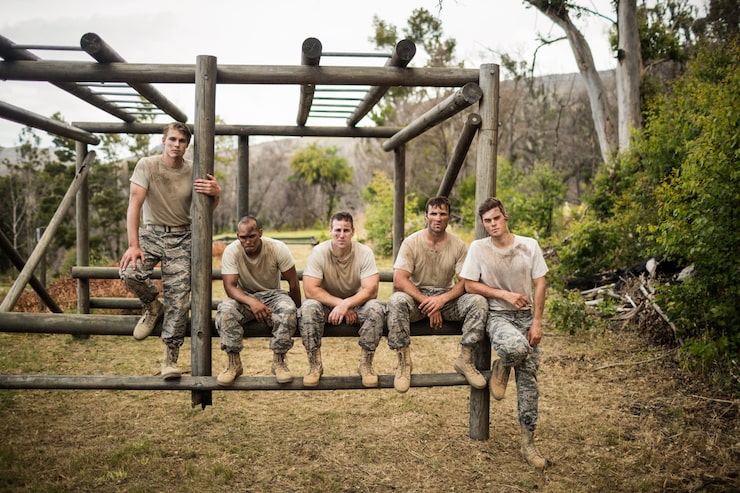
Army Training Regimen is the cornerstone of building soldiers who are not only physically fit but mentally resilient. From the moment recruits enter training academies, they undergo rigorous routines that challenge their body, mind, and spirit. This process ensures that every soldier is ready to face high-pressure situations, unpredictable environments, and critical missions with confidence and discipline.
Understanding the structure, philosophy, and execution of an Army Training Regimen is essential for anyone preparing for a military career or interested in learning how elite forces develop peak performance. Beyond fitness, the regimen fosters leadership, strategic thinking, and teamwork—qualities that define successful military personnel.
Foundations of the Army Training Regimen
The Army Training Regimen begins with a focus on discipline and basic military skills. Recruits learn the importance of punctuality, obedience, and uniform standards, which lay the groundwork for more advanced training.
Physical fitness is introduced through basic exercises such as running, push-ups, sit-ups, and obstacle courses. Simultaneously, recruits are taught military drills, map reading, weapon handling, and tactical movements. This dual approach develops both physical agility and mental alertness.
The regimen also emphasizes nutrition, rest, and recovery. Proper diet and sleep are integral to sustaining energy levels and preventing injuries, allowing soldiers to endure the demanding pace of military life.
Physical Conditioning in Army Training
A core component of any Army Training Regimen is physical conditioning. Training routines are designed to enhance strength, endurance, agility, and cardiovascular fitness. Exercises are progressively intensified, ensuring recruits continually push their limits.
Activities such as long-distance running, weight training, swimming, and calisthenics form the backbone of physical preparation. Obstacle courses and endurance marches simulate real combat conditions, testing the soldier’s stamina and adaptability.
Flexibility and injury prevention are also prioritized. Stretching routines, yoga, and functional exercises ensure that soldiers remain agile and resilient, reducing the risk of physical setbacks during training or missions.
Mental Toughness Through Rigorous Drills
Mental toughness is cultivated alongside physical conditioning. The Army Training Regimen incorporates stress-inducing scenarios that challenge decision-making, focus, and emotional resilience.
Simulated combat exercises, night operations, survival drills, and high-pressure decision-making tasks push recruits to perform under stress. These exercises teach soldiers to remain calm, prioritize tasks, and execute strategies efficiently, even in chaotic environments.
Leadership exercises and team challenges are equally important. Recruits learn to motivate peers, communicate effectively, and make decisions with limited information—skills that are critical in both battlefield and administrative scenarios.
Specialized Training Modules
Beyond the standard training, soldiers may participate in specialized modules depending on their role. Infantry, engineering, intelligence, and logistics units all have tailored programs focusing on domain-specific skills.
For example, infantry recruits receive advanced combat training, weapons handling, and survival tactics. Logistics and support units focus on strategic planning, resource management, and operational coordination. Each module reinforces the Army Training Regimen’s holistic approach to developing capable, versatile soldiers.
Nutrition and Recovery
Sustaining the physical and mental demands of army training requires careful attention to nutrition and recovery. Recruits are educated on balanced diets rich in proteins, carbohydrates, and essential nutrients to fuel performance.
Recovery protocols, including rest periods, physiotherapy, and sleep management, are integral to the regimen. Proper recovery ensures optimal performance, reduces fatigue, and prevents long-term injuries. Mental recovery strategies, such as mindfulness exercises and counseling, further enhance resilience.
Importance of Discipline and Routine
Discipline is at the heart of the Army Training Regimen. Strict adherence to schedules, routines, and protocols instills a sense of responsibility, time management, and accountability in every recruit.
Repetitive drills, early morning routines, and adherence to commands reinforce the values of consistency, focus, and self-control. Over time, discipline becomes second nature, enabling soldiers to operate efficiently under stressful conditions.
Real-Life Examples of Army Training Success
Stories from elite soldiers demonstrate the efficacy of the Army Training Regimen. Recruits who excel physically and mentally often rise to leadership positions and are entrusted with critical missions.
For instance, endurance challenges like high-altitude mountain exercises or desert survival camps test recruits’ ability to adapt to extreme conditions. Soldiers who succeed in these exercises often display unmatched stamina, courage, and strategic thinking—traits cultivated by the regimen.
Preparing for an Army Career
Aspiring soldiers must understand that preparation begins long before formal induction. Building foundational fitness, mental resilience, and adaptability increases the likelihood of success in training academies.
Regular cardiovascular workouts, strength training, outdoor activities, and mental conditioning exercises can simulate the initial phases of army training. Familiarity with military protocols, first aid, and basic tactical knowledge also gives aspirants an edge during selection and early training phases.
Continuous Growth Beyond Training
The Army Training Regimen does not end with induction; it is a lifelong process. Soldiers continually engage in skill enhancement, tactical updates, and fitness programs throughout their careers.
Professional development includes advanced combat courses, leadership workshops, strategic simulations, and joint exercises with national and international forces. This ongoing commitment ensures that soldiers remain adaptable, capable, and ready to meet evolving challenges.
Conclusion
The Army Training Regimen is a comprehensive program that cultivates physical endurance, mental toughness, and leadership abilities. From initial induction to lifelong professional development, the regimen ensures that soldiers are equipped to face demanding scenarios with confidence, discipline, and strategic insight.
Through rigorous drills, specialized modules, nutrition management, and mental conditioning, recruits transform into elite military personnel capable of serving the nation with distinction. Aspiring soldiers who understand and embrace the philosophy of this regimen are well-prepared to meet the challenges of a demanding but rewarding army career.
Read also:
srushti deshmukh age
tushar singla ias
shruti sharma ias age
srishti dabas age
sunday morning wishes
dhanteras wishes in marathi
सुंदर शुभ सकाळ शुभेच्छा