

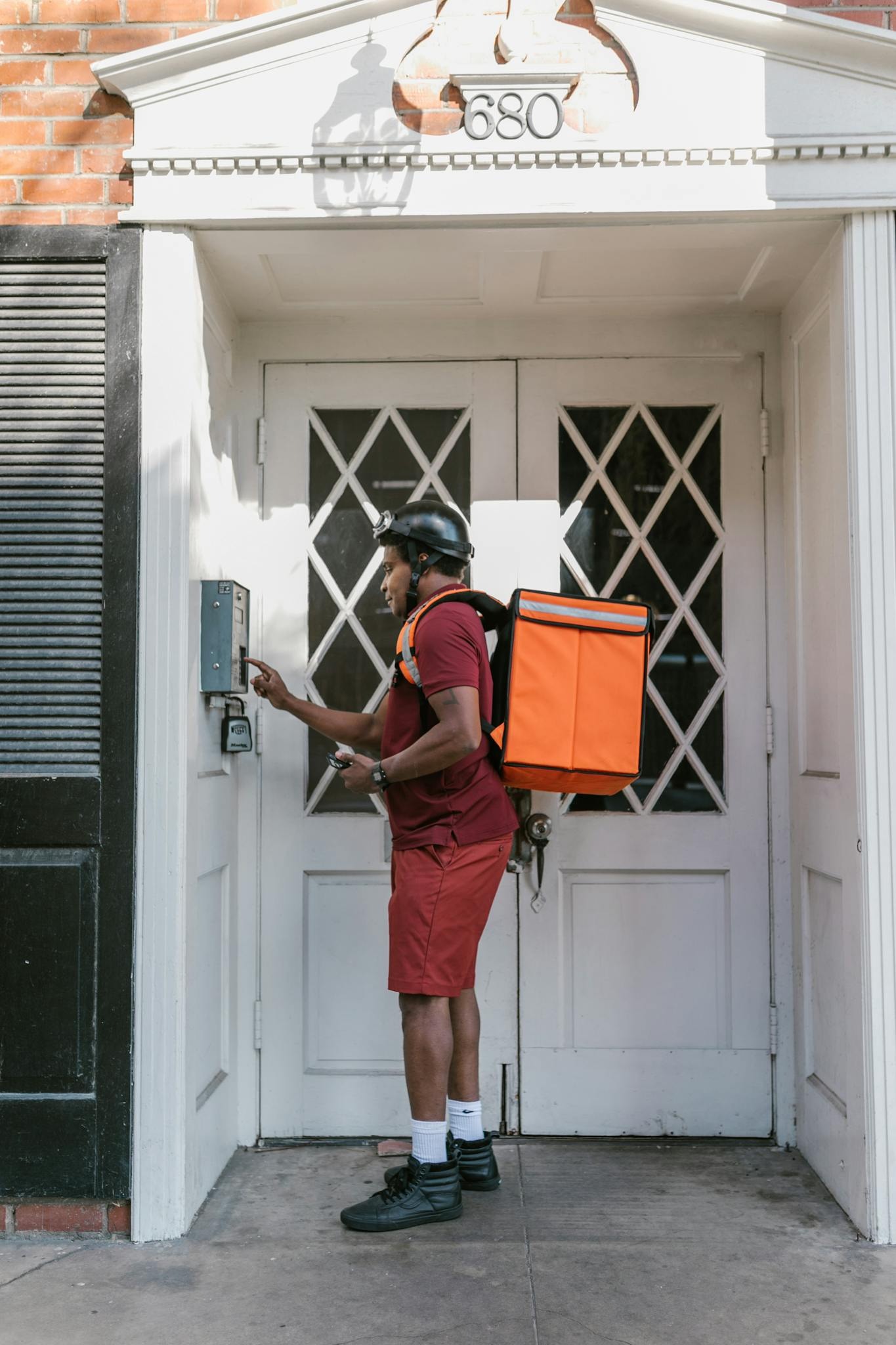
Home delivery has become an ordinary part of modern shopping, with people receiving everything from clothes and books to appliances, groceries, documents, and gifts at their homes. For practical shipment guidance, tirupaticouriertracking.com can help readers understand parcel updates, tracking references, delivery stages, and common courier information. A shipment rarely travels in one simple movement from seller to customer because several facilities and transportation points may be involved along the way. This can make tracking information seem confusing, especially when a package remains at one location for several hours. Understanding the basic process makes those updates easier to read and gives customers a better idea about when patience is normal and when a delivery problem deserves attention.
Orders Need Preparation First
Before a courier begins transportation, the seller normally needs to prepare the order properly. The correct product has to be located, checked, packaged, labeled, and entered into the shipping system. Some sellers complete these tasks quickly, while others require additional time because orders are processed in batches. A customer may receive an order confirmation before the parcel is physically ready for collection. This explains why an early tracking reference can exist without showing much movement. Customers should therefore distinguish between order preparation and courier transportation. The delivery estimate is generally based on the seller’s dispatch process as well as the courier’s expected transit period.
Tracking References Identify Parcels
A tracking reference gives customers a way to identify their shipment and follow available movement information. Courier companies use different formats, so the reference may contain only digits or a mixture of letters and numbers. Saving this information is useful until the entire order has been completed. The same reference may be required when contacting support about a delay or checking whether a parcel has reached the local delivery facility. Customers should enter the number carefully because one incorrect character can produce an unsuccessful result. A newly issued reference may also require some time before the courier system displays the first available shipment information.
Booking Does Not Mean Transit
A booking status often appears when shipping information has been entered into the courier system. At this stage, the seller may still physically hold the package and wait for collection. This is a common point of confusion because customers sometimes believe that a booked shipment has already started traveling. The physical pickup is a separate event that confirms the courier has received the parcel. If the booking remains unchanged for a short period, customers can check whether the seller has provided a dispatch date. Different businesses operate with different pickup schedules, so a small delay before collection can occur without anything being wrong.
Pickup Confirms Collection
A pickup update generally confirms that the courier has collected the parcel from the seller or dispatch location. From this point, the shipment becomes part of the courier’s physical network and can move toward a processing facility. The next scan may appear quickly, although some courier systems take longer to display additional information. Packages are often collected in groups and processed together, which means there may be a gap between collection and the next visible event. Customers should not expect every movement to appear instantly on a public tracking page. A confirmed pickup is already an important indication that the package has moved beyond the seller’s preparation stage.
Sorting Centers Control Movement
Courier networks depend heavily on sorting facilities because thousands of shipments need to be separated according to destination. Packages can be grouped by city, region, route, service level, or transportation method. A parcel may therefore pass through several facilities before reaching the destination area. The route might not look geographically direct, but that does not automatically mean the package has been misrouted. Large logistics networks often use central hubs because those facilities can process substantial volumes efficiently. A shipment may travel through a major city before continuing toward a smaller destination. Customers should focus on whether the tracking sequence continues to show progress rather than judging the route only by distance.
In Transit Means Moving
The in-transit status generally indicates that a shipment is moving through the courier network or waiting for another recorded event. It does not necessarily provide the precise physical location of the parcel. The package might be traveling between facilities, waiting for processing, or moving through a transportation stage where public scans are limited. Tracking information depends on recorded events, so the online status may not change every time the parcel physically moves. Customers should therefore avoid becoming concerned simply because an in-transit message remains visible for several hours. The expected delivery period is a more useful reference when deciding whether the shipment is experiencing an unusual delay.
Destination Processing Takes Time
When a parcel reaches a facility serving the destination region, it has generally progressed significantly through the courier network. However, the package may still need to be sorted and assigned to a local delivery route. Many shipments can arrive together, creating additional work for the facility team. This means a destination scan does not necessarily mean that doorstep delivery will happen immediately. The parcel could remain at the facility overnight before moving to the local station. Customers should consider the estimated delivery date alongside the tracking update. A destination arrival is normally a positive sign, but it still represents one stage before final delivery.
Local Routes Need Organization
Once the shipment reaches a local facility, staff need to organize packages according to delivery areas and available routes. This process helps delivery workers handle many addresses efficiently during their working period. A parcel may therefore remain at a nearby facility even when it is physically close to the customer’s home. Route planning, workload, staffing, and local conditions can influence how quickly the shipment moves into final delivery. Customers sometimes become impatient when a package appears to be only a short distance away, but physical distance is not the only factor controlling delivery timing. Courier operations depend on organized routes rather than simple proximity.
Out For Delivery Means Final Stage
The out-for-delivery status normally indicates that the shipment has been assigned to a local delivery route. This means the package is generally much closer to the customer than during earlier stages. However, the update does not guarantee an exact arrival time because the delivery worker may have many stops to complete. Traffic, road conditions, building access, weather, and unexpected route changes can affect the timing. Customers waiting for an important parcel should keep their phone available in case the delivery worker needs directions. The best way to interpret this status is as confirmation that final delivery activity has started rather than a promise of immediate arrival.
Delivery Attempts Can Fail
Not every final delivery attempt is completed successfully on the first visit. The recipient may be unavailable, the address may be incomplete, or the delivery worker may have difficulty reaching a secured building. Sometimes a contact number cannot be reached when directions are needed. The tracking page may provide a reason for the unsuccessful attempt and explain what happens next. Customers should read that information carefully before assuming the package has been returned. Another delivery attempt may be scheduled, while some situations require the recipient to contact the courier or seller. Responding quickly to an action request can help prevent further delays.
Accurate Addresses Help Couriers
A complete address is one of the most useful things customers can provide when ordering products online. House numbers, street names, localities, cities, postal codes, and contact information should be entered carefully. Apartment or office locations may also need building names, floors, blocks, or entrance details. Missing information can make the final delivery more difficult, particularly in large residential areas. Once the shipment has been dispatched, changing the destination may not be easy because the parcel could already be traveling. Customers should therefore review their saved address before confirming each order. This simple habit can prevent many problems that are otherwise difficult to correct later.
Postal Codes Support Routing
Postal codes help courier systems identify destination areas and organize shipments during sorting. If the code is incorrect, a package may require additional checking or move toward an unsuitable processing location. Even a correct street address can become confusing when the postal information does not match. Customers should avoid entering guessed postal codes simply to complete an online form. If an error is noticed before dispatch, the seller may be able to correct the information. Once transportation has started, changes may depend on courier rules and may not always be possible. Accurate postal details are particularly important for locations with similar names or broad service regions.
Tracking Gaps Are Common
Courier tracking systems generally record information when specific events occur, rather than displaying every physical movement continuously. A shipment can therefore travel between two facilities without producing another visible update for several hours. Overnight transportation can create another natural gap because the next scan may appear after the parcel reaches another center. Technical problems can also delay the display of new information. Customers should consider how long the shipment has remained unchanged and compare that period with the expected delivery window. A short tracking pause is usually not alarming. A much longer period beyond the expected date may justify contacting the courier or seller.
Busy Periods Increase Workloads
Delivery networks can become much busier during festivals, holidays, major sales, and periods of heavy online shopping. Higher shipment volumes can place additional pressure on warehouses, sorting facilities, transportation providers, and local delivery teams. Some packages may therefore arrive later than the original estimate. Customers should allow reasonable flexibility when ordering during these periods, particularly for items that are not urgently required. A small delay does not necessarily mean that the parcel has been lost or mishandled. If the shipment remains unchanged well beyond the expected period, checking the latest tracking information and contacting support becomes more useful.
Weather Can Delay Transportation
Severe weather can affect both long-distance transportation and local delivery activity. Heavy rain, flooding, strong winds, extreme temperatures, and poor visibility may slow vehicles or disrupt particular routes. Courier companies can sometimes change schedules when conditions become difficult or unsafe. These effects may involve many shipments rather than one particular package. Customers should therefore consider weather conditions in the origin, destination, and transportation regions when evaluating unexpected delays. A parcel may resume normal movement once conditions improve. Delivery workers also need safe working environments, so a temporary route change or delayed attempt can sometimes be necessary even when the shipment is otherwise ready.
Traffic Affects Doorstep Timing
A shipment can reach the correct city and still take several hours before reaching the final address. Traffic congestion, construction, accidents, road closures, parking difficulties, and crowded market areas can all affect local routes. Delivery workers may also have numerous packages assigned to the same route. This is why an out-for-delivery status should not be interpreted as an exact appointment. Customers waiting for an important delivery should remain reachable and respond if the courier requests directions. Arrival times can vary significantly between neighborhoods even when the packages are processed at the same local facility.
Be Careful With Delivery Links
Customers should remain cautious when receiving unexpected messages about parcel payments, address changes, or urgent verification. Fake delivery notifications can sometimes resemble genuine courier messages and pressure recipients into clicking unfamiliar links. A safer method is to independently open the recognized courier or seller website and enter the known tracking reference there. Customers should never provide passwords, banking credentials, card information, or verification codes to unknown contacts because a message claims that a package requires attention. If a payment request seems unusual, confirming it through an official customer service channel is safer. Delivery tracking should provide convenience without creating unnecessary security risks.
Inspect Packages On Arrival
When a package arrives, customers should check the outside condition whenever practical before accepting it. Serious dents, broken seals, leakage, holes, or obvious tampering may deserve documentation. Photographs can provide useful evidence if a complaint later concerns damage during delivery. Customers should also confirm that the shipment belongs to the correct order before opening it. Certain sellers have specific procedures for damaged products, so those instructions should be followed carefully. Keeping invoices and delivery confirmations can make future replacement or return requests easier. A quick inspection can sometimes prevent uncertainty about when damage occurred.
Bulky Orders Need Preparation
Large household items require more planning than ordinary parcels because they may involve special transportation, lifting equipment, or additional workers. Furniture, refrigerators, washing machines, and similar products can also require scheduled delivery arrangements. Customers should check whether installation, unpacking, indoor placement, or other assistance is included in the purchase. Building access matters when large products need to pass through elevators, stairways, doors, or security gates. Delivery teams may have safety restrictions about what they can carry and where they can place it. Clear expectations before arrival help prevent disagreements and make the final delivery much smoother.
Keep Shipment Records Secure
Delivery records can become valuable if an order is delayed, damaged, returned, or disputed. Customers should keep the tracking reference, order number, invoice, payment receipt, and delivery confirmation until the complete transaction has been resolved. These records can make communication with customer support more efficient because exact information is available. At the same time, shipment details should be treated as private because screenshots can reveal addresses, phone numbers, or order references. Customers should avoid sharing complete tracking records publicly. Secure storage gives customers the information they need without unnecessarily exposing personal details.
Returns Follow Different Tracking
A returned product may receive a new tracking reference after the seller approves the return. Customers should follow the seller’s instructions about packaging, return labels, pickup timing, and deadlines. The original delivery reference may not provide useful information about the return journey. Proof of pickup or handover can be important if the seller later needs confirmation that the product was sent back. Customers should monitor the new shipment information until the seller confirms receipt. If a refund or replacement is expected, keeping the return documentation can help investigate any delay that occurs after the package reaches the seller’s network.
Support Becomes Useful Eventually
Customers should contact support when a shipment clearly moves beyond its expected delivery period, shows an exception requiring action, or remains without meaningful progress for an unusually long time. Before contacting the courier, customers should prepare the tracking number, order reference, latest status, and relevant delivery details. A clear explanation can help support staff investigate the issue faster. Customers should also remember that short gaps can be normal during transportation. If the courier cannot provide a useful explanation, the seller may be able to investigate from their side. Keeping the communication focused usually makes the process easier for everyone involved.
Final Thoughts On Tracking
Home delivery works through a connected network of sellers, warehouses, sorting facilities, transportation services, regional centers, local stations, and delivery workers. A parcel can pass through many stages before reaching the doorstep, and each stage can generate different tracking information.
Customers can understand the process better by learning the difference between booking, collection, sorting, transit, destination processing, local routing, out-for-delivery, and completed delivery. These updates describe progress but rarely provide a guaranteed arrival time.
Delays can happen because of high shipment volumes, weather, traffic, incorrect addresses, transportation disruptions, technical problems, and other operational conditions. A tracking page that remains unchanged briefly does not automatically mean that a parcel has disappeared.
Good delivery habits include checking addresses carefully, saving tracking references, protecting personal information, inspecting packages, and keeping records until the order and any return period have finished.
For practical courier tracking guidance, shipment updates, delivery status information, and useful resources for understanding your parcel’s progress from dispatch to doorstep, visit tirupaticouriertracking.com and stay informed throughout your next home delivery.
Read also :-