

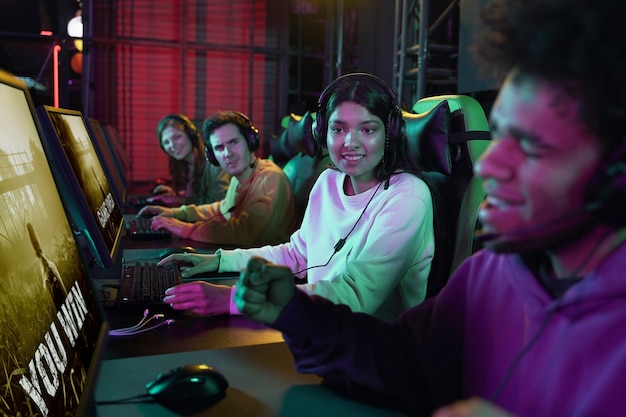
Social Media Gaming Communities have become the backbone of modern esports culture, connecting players, fans, and content creators across the globe. These vibrant networks do more than entertain—they foster collaboration, ignite competitive spirit, and drive the growth of esports into a mainstream industry.
Take Emma, a college student and avid gamer from London. Through online communities on platforms like Discord and Reddit, she discovered a team to compete in international tournaments. Before joining these communities, finding like-minded players and accessing real-time gaming insights was nearly impossible. Her experience shows how social media gaming communities transform not only individual gaming experiences but also the broader esports ecosystem.
Building Connections Through Shared Passion
At the heart of these communities lies a shared love for gaming. Platforms like Twitch, YouTube Gaming, and Twitter allow players to exchange strategies, showcase skills, and celebrate achievements. Gamers across continents collaborate, share tutorials, and support each other in competitions, creating a sense of belonging.
Jake, a professional esports coach, notes that these communities are essential for nurturing new talent. Aspiring players can access mentorship, join team scrimmages, and receive constructive feedback—all within social networks. Such social media gaming communities provide the infrastructure for cultivating skill and fostering camaraderie simultaneously.
Amplifying Esports Content and Trends
Beyond player interaction, social media channels amplify content that shapes esports culture. Viral clips, live streams, and gaming memes not only entertain but also influence trends, strategies, and even game development. Communities often highlight emerging esports games, allowing developers to respond to player feedback quickly.
In Japan, a small gaming community on Twitter contributed ideas that influenced character balancing in a popular fighting game. This example underscores how social media gaming communities actively participate in the evolution of gaming itself, bridging the gap between developers and audiences.
Fostering Inclusive Competitive Environments
Esports is no longer limited to elite players. Social media gaming communities promote inclusivity, providing spaces for gamers of all skill levels, genders, and backgrounds. Communities often host beginner tournaments, provide safe spaces for discussion, and celebrate diversity in gaming styles.
Sofia, a female esports competitor from Brazil, credits online forums for helping her navigate entry into professional leagues. Through mentorship programs and team collaborations facilitated by social media, she honed her skills and built confidence. Communities like these are not just platforms—they are incubators of talent and equity in esports.
Real-Time Collaboration and Strategy Sharing
Competitive gaming thrives on real-time decision-making, and social media provides the tools for instant collaboration. Discord servers, live-stream chats, and team social channels enable players to analyze opponents, refine tactics, and execute strategies efficiently.
For example, a Dota 2 team in South Korea coordinated its training schedule entirely through social media platforms, sharing analytics, replay videos, and strategic tips. This rapid exchange of information illustrates how social media gaming communities directly enhance competitive performance, making virtual teamwork as effective as traditional sports coaching.
Influencing Global Esports Markets
The impact of these communities extends beyond gameplay—they shape global esports markets. Sponsors, advertisers, and tournament organizers monitor community engagement to gauge trends and identify talent. Communities often dictate which games rise to prominence, which content creators gain influence, and how esports events are monetized.
In the United States, Twitch streamers leveraging strong community followings have attracted sponsorships that rival traditional athletes. This dynamic demonstrates that social media gaming communities are not just cultural hubs—they are economic powerhouses driving the growth of esports worldwide.
Cultivating a Sustainable Esports Ecosystem
Finally, these communities contribute to the long-term sustainability of esports. By continuously engaging players, fans, and creators, they maintain interest in games and tournaments. They also provide feedback loops for developers, ensuring games remain balanced, engaging, and inclusive.
Global esports leagues now integrate community feedback into game patches, event planning, and marketing campaigns. By nurturing active, participatory networks, social media gaming communities ensure the longevity and evolution of competitive gaming on a global scale.
From building skills and fostering inclusivity to driving market trends and supporting developers, social media gaming communities have become indispensable to the esports world. Gamers, fans, and industry stakeholders alike rely on these networks to connect, grow, and redefine what it means to compete in the digital era.
Read also:
delhi capitals vs mumbai indians match scorecard
england vs new zealand scorecard
south africa national cricket team vs pakistan national cricket team match scorecard
australian men’s cricket team vs new zealand national cricket team match scorecard