

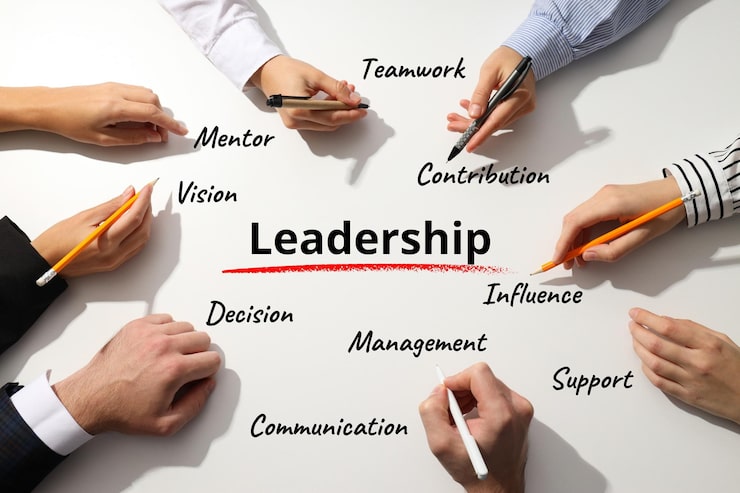
Leadership development skills are essential for anyone aiming to guide teams, influence decisions, and achieve business objectives. Today, leadership is more than authority; it requires empathy, strategic thinking, and the ability to inspire others. Professionals who focus on developing these skills often see significant growth in their careers and their organizations.
Cultivating leadership requires a combination of self-awareness, continuous learning, and practical experience. Leaders who invest in personal growth while understanding team dynamics are better positioned to navigate complex business challenges. Companies like Infosys and TCS showcase how nurturing leadership internally strengthens organizational performance and culture.
Understanding Emotional Intelligence
A critical component of leadership development skills is emotional intelligence. Leaders who can recognize, understand, and manage their emotions and those of others create a productive work environment. Empathetic leaders foster collaboration, reduce conflicts, and motivate teams more effectively.
For example, Sundar Pichai, CEO of Alphabet, emphasizes empathy and communication, allowing him to manage diverse global teams successfully. Emotional intelligence ensures leaders make balanced decisions while maintaining team morale.
Strategic Thinking and Vision
Strategic thinking is among the most sought-after leadership development skills. Leaders who can anticipate market trends, assess risks, and define long-term objectives position their organizations for growth. A visionary leader translates ideas into actionable strategies, inspiring their teams toward common goals.
Businesses like Reliance Industries have thrived under leaders who balance innovation with strategic foresight. Developing strategic thinking allows leaders to prioritize initiatives, allocate resources efficiently, and achieve measurable outcomes.
Effective Communication
Clear and persuasive communication is central to all leadership development skills. Leaders must articulate ideas, expectations, and feedback effectively to ensure alignment across the organization. Strong communication builds trust, enhances collaboration, and minimizes misunderstandings.
Consider Nirmala Sitharaman’s leadership approach in handling policy announcements. Her ability to communicate complex information clearly demonstrates how impactful communication skills are in leadership.
Decision-Making and Problem-Solving
Decision-making is a core pillar of leadership development skills. Effective leaders assess situations, consider alternatives, and make informed choices promptly. Problem-solving skills enable leaders to overcome challenges, implement solutions, and guide teams through uncertainty.
Examples include Ratan Tata’s decisive actions in revitalizing Tata Motors and acquiring brands like Jaguar Land Rover. Leaders who master decision-making and problem-solving inspire confidence and drive organizational progress.
Building and Motivating Teams
A strong leader excels in team building and motivation, essential aspects of leadership development skills. Encouraging collaboration, recognizing achievements, and supporting professional growth empowers team members. Motivated teams are more productive, innovative, and loyal to the organization.
At companies like Wipro, leadership programs focus on nurturing managers who can inspire teams, fostering a culture of accountability and growth. Leaders who prioritize people development often see higher engagement and retention rates.
Adaptability and Resilience
In today’s fast-changing business world, adaptability is a vital component of leadership development skills. Leaders who embrace change, learn quickly, and remain resilient under pressure set an example for their teams. Adaptable leaders can navigate disruptions while maintaining performance and morale.
Take Byju Raveendran of BYJU’S, whose ability to adapt educational strategies during the pandemic exemplifies how resilience and flexibility sustain leadership effectiveness in challenging times.
Mentorship and Coaching
Mentorship is a transformative aspect of leadership development skills. Experienced leaders guide emerging talent, sharing insights and supporting growth. Coaching creates a culture of continuous learning and prepares the next generation of leaders.
For instance, veteran leaders at HCL Technologies mentor mid-level managers to take on greater responsibilities. This focus on mentorship ensures long-term organizational stability and success.
Ethical Leadership
Integrity and ethical behavior are non-negotiable in modern leadership. Ethical practices build credibility, strengthen organizational culture, and foster trust. Leaders who act transparently and responsibly inspire loyalty and respect from employees and stakeholders alike.
Leaders like Kiran Mazumdar-Shaw of Biocon emphasize ethics and sustainability in decision-making, demonstrating how ethical leadership positively impacts both people and business results.
Continuous Learning and Self-Improvement
Finally, one of the most important leadership development skills is a commitment to continuous learning. Leaders must stay updated with industry trends, technological advancements, and management practices. Lifelong learning ensures leaders remain relevant, innovative, and effective.
Executives at ICICI Bank regularly participate in training programs and workshops, enhancing their skills and staying ahead in the competitive financial sector. By prioritizing growth, leaders set a standard for their teams and organizations.
Read also:
lakers vs dallas mavericks stats
thesparkshop earbuds
5148789942
18552195933