

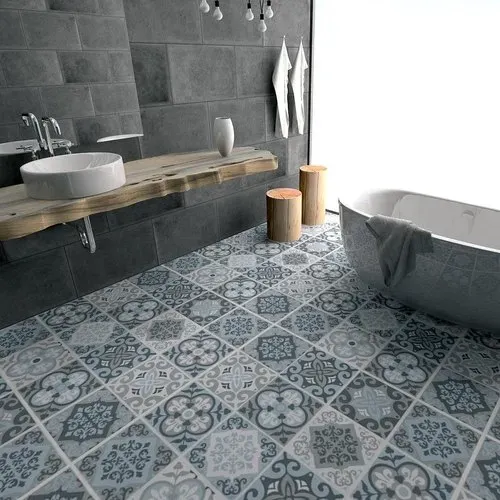
Anti slip bathroom flooring is one of the most important features homeowners consider when designing or renovating a bathroom. Bathrooms are naturally wet spaces, and slippery floors are a major cause of household accidents worldwide. Whether you are building a new home, remodeling your bathroom, or simply upgrading your flooring, choosing the right slip-resistant material can make a significant difference in both safety and comfort.
Many homeowners learn this lesson the hard way. Imagine stepping out of the shower with wet feet and suddenly losing your balance on a glossy tile surface. It only takes one small slip to cause serious injury. This is why architects, interior designers, and safety experts strongly recommend slip-resistant flooring solutions specifically designed for wet environments.
Beyond safety, modern flooring options also offer beautiful aesthetics, durability, and easy maintenance. Today’s materials combine style with practicality, allowing homeowners to enjoy elegant bathrooms without sacrificing safety
Table of Contents
ToggleWhy Bathroom Floors Become Slippery
Bathroom floors frequently become slippery because water, soap residue, and smooth surfaces create extremely low friction. When these elements combine, even high-quality tiles can become hazardous.
Smooth marble, polished ceramic tiles, and glossy finishes are common causes of slips. These surfaces look elegant but provide very little grip when wet. Additionally, shampoo and soap can create a thin film that further reduces traction.
Families with children, elderly members, or individuals with mobility challenges face even greater risks. Studies from home safety organizations show that bathrooms are among the most common places for household falls.
This is exactly why anti slip bathroom flooring has become a top priority in modern home design. It provides additional traction while maintaining the visual appeal homeowners expect.
Understanding Slip Resistance in Flooring
Slip resistance refers to how much friction a floor surface provides when someone walks on it. The higher the friction, the lower the risk of slipping.
Many flooring manufacturers test materials using a measurement called the coefficient of friction (COF). Higher COF ratings generally indicate better grip.
Textured surfaces, matte finishes, and specially treated tiles are designed to increase friction. These surfaces allow water to disperse more effectively and help maintain traction even when wet.
Bathroom flooring that meets recognized safety standards offers peace of mind for homeowners. Interior design professionals often prioritize materials that combine durability with reliable slip resistance.
Types of Anti Slip Bathroom Flooring Materials
Selecting the right material is essential for achieving both safety and visual harmony in your bathroom design.
Textured Ceramic Tiles
Textured ceramic tiles remain one of the most popular bathroom flooring choices worldwide. Their slightly rough surface provides excellent traction while still offering elegant patterns and colors.
Unlike glossy tiles, textured ceramic tiles reduce the chance of slipping even when water is present. They are also highly durable, easy to clean, and widely available in various styles.
Many modern bathrooms use large-format textured tiles to create a sophisticated look while maintaining safety.
Porcelain Tiles with Matte Finish
Porcelain tiles are another excellent option for bathrooms because of their strength and water resistance. Matte-finish porcelain tiles naturally provide better grip compared to polished surfaces.
These tiles are extremely durable and resistant to moisture absorption, making them ideal for high-humidity environments.
Homeowners often choose porcelain tiles when they want a luxurious look with long-term durability.
Natural Stone with Slip Treatment
Natural stone flooring such as slate or textured granite offers a timeless appearance. Some stones naturally have rough textures that provide good traction.
However, smoother stones like marble require special anti-slip treatments to make them safe for bathroom use.
Professional surface treatments can increase grip while preserving the natural beauty of the stone.
Vinyl Flooring
Vinyl flooring has gained tremendous popularity in recent years. Modern luxury vinyl options can mimic wood, stone, or tile while offering excellent water resistance.
Many vinyl flooring products are specifically designed with textured surfaces to reduce slipping.
Vinyl is also softer underfoot compared to tiles, making it a comfortable choice for family bathrooms.
Benefits of anti slip bathroom flooring
Installing anti slip bathroom flooring provides multiple advantages that go beyond preventing accidents.
Safety is the most obvious benefit. Slip-resistant surfaces significantly reduce the chances of falls, especially in homes with children or elderly residents.
Comfort is another major advantage. Many slip-resistant materials feel softer and warmer underfoot compared to traditional glossy tiles.
Durability also plays a role. Many anti-slip flooring options are designed to withstand constant exposure to water, cleaning products, and heavy foot traffic.
From a design perspective, modern materials offer endless styles, colors, and textures that can complement any bathroom theme.
Anti Slip Bathroom Flooring for Family Homes
Family homes require extra attention when it comes to bathroom safety. Children often run around the house and may not realize how slippery a wet bathroom floor can be.
Slip-resistant flooring helps create a safer environment without compromising the overall design of the space.
Parents often prefer textured tiles or vinyl flooring because they provide reliable traction while remaining easy to clean.
Bathrooms used by elderly family members benefit greatly from improved grip and stability. Even small design choices like slip-resistant flooring can make daily routines much safer.
How anti slip bathroom flooring Improves Bathroom Design
Many people assume safety-focused flooring must look dull or industrial. Fortunately, modern design trends prove otherwise.
Today’s anti slip bathroom flooring materials combine visual elegance with practical safety features. Designers can choose from stone-inspired textures, wood-look vinyl, patterned tiles, and minimalist matte surfaces.
Neutral tones such as gray, beige, and soft earth colors remain popular choices. These shades create a calming spa-like atmosphere while hiding minor water stains.
Textured patterns can also add depth and visual interest to bathroom spaces. Instead of compromising aesthetics, slip-resistant flooring often enhances the overall design.
Installation Considerations for Long-Term Safety
Choosing the right material is only part of the equation. Proper installation plays a crucial role in ensuring the flooring performs as expected.
Professional installers carefully prepare the subfloor to prevent uneven surfaces that could cause tripping hazards. Waterproof membranes may also be applied to protect the underlying structure from moisture damage.
Grout lines are another important element. Wider grout lines can provide additional traction, especially in shower areas.
High-quality adhesives and proper leveling ensure the flooring remains stable for many years.
Cleaning and Maintenance Tips
Bathroom flooring must be cleaned regularly to maintain both hygiene and slip resistance.
Soap residue and hard water deposits can gradually build up on the surface, reducing traction over time. Gentle cleaning products designed for bathroom surfaces help remove these residues without damaging the material.
Regular mopping and occasional deep cleaning keep the flooring looking fresh while preserving its anti-slip properties.
Avoid harsh chemicals that may erode protective coatings or sealants.
Cost of Installing Anti Slip Bathroom Flooring
The cost of installing slip-resistant flooring varies depending on the material, labor, and bathroom size.
Ceramic tiles tend to be the most affordable option, while natural stone and high-end porcelain tiles can be more expensive.
Vinyl flooring often offers a balance between affordability and durability.
Installation costs also depend on the complexity of the layout, subfloor preparation, and additional waterproofing measures.
Although the initial investment may be higher than standard flooring, the safety benefits and long-term durability often justify the expense.
Eco-Friendly Flooring Options
Sustainability has become an important consideration for many homeowners. Eco-friendly bathroom flooring materials are now widely available.
Some manufacturers produce recycled ceramic tiles and environmentally responsible vinyl flooring options.
Natural materials such as cork and certain types of treated bamboo can also provide slip resistance while reducing environmental impact.
Choosing sustainable materials not only benefits the environment but also contributes to healthier indoor spaces.
Expert Tips for Choosing the Right Flooring
Interior designers and renovation experts recommend evaluating several factors before selecting bathroom flooring.
Bathroom size, lighting conditions, and household needs all influence the best choice of material.
Darker textured tiles often hide water spots better, while lighter colors create a spacious and airy appearance.
Testing a sample tile with wet feet can provide a practical understanding of how much grip it offers.
Consulting with experienced flooring professionals ensures you choose materials that meet both safety standards and design goals.
Modern Trends in Bathroom Flooring
Bathroom design trends have evolved significantly over the past decade.
Homeowners increasingly prefer spa-inspired bathrooms that feel relaxing and luxurious. Natural textures, warm tones, and organic materials are becoming more popular.
Large-format tiles with matte finishes create seamless surfaces that reduce grout lines while maintaining slip resistance.
Wood-look vinyl flooring also remains a major trend because it provides the warmth of wood with superior water resistance.
These design innovations show how anti slip bathroom flooring solutions continue to evolve with modern home aesthetics.
Common Mistakes Homeowners Should Avoid
Many homeowners focus entirely on appearance when selecting bathroom flooring and overlook safety features.
Highly polished tiles may look beautiful in a showroom but can become extremely slippery when installed in a bathroom.
Another common mistake is ignoring the importance of professional installation.
Improper installation can create uneven surfaces, loose tiles, or poor drainage, all of which increase slip risks.
Choosing materials specifically designed for wet areas ensures the flooring performs safely under everyday conditions.
Long-Term Value of Safe Bathroom Flooring
A well-designed bathroom should combine beauty, comfort, and functionality. Flooring plays a major role in achieving this balance.
Slip-resistant flooring contributes to long-term home value by improving safety and durability.
Potential buyers often appreciate thoughtful design features that enhance everyday usability.
Homeowners who invest in high-quality materials rarely regret prioritizing safety in one of the most frequently used rooms in the house.
For many families, installing anti slip bathroom flooring is not just a design upgrade—it is a practical decision that protects everyone in the household while enhancing the overall bathroom experience.