

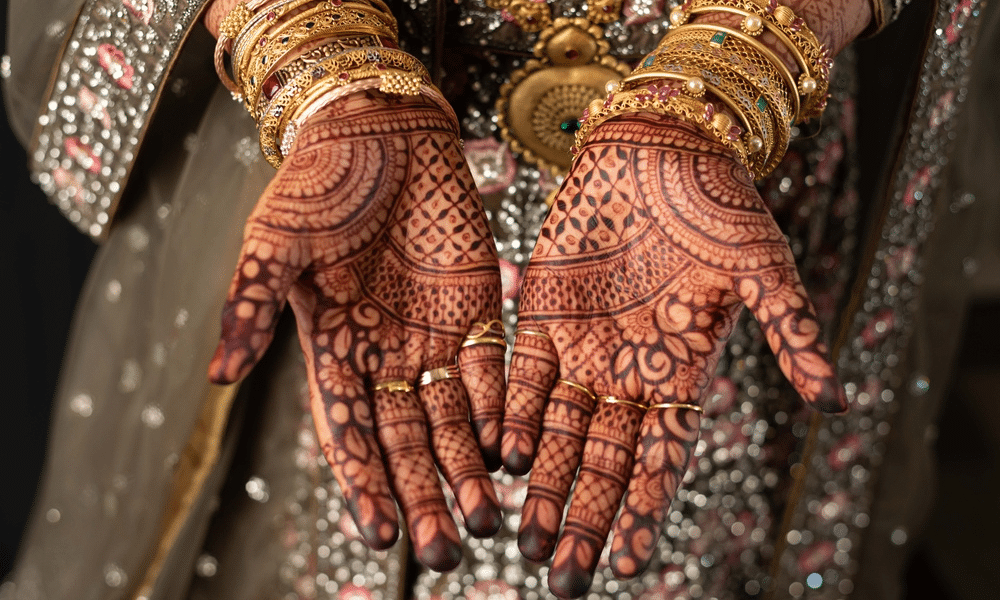
wedding mehndi designs are one of the most cherished traditions in many South Asian and Middle Eastern wedding celebrations. The moment a bride begins her mehndi ceremony, the excitement of the wedding truly starts to feel real. Friends gather around, music fills the room, and skilled mehndi artists carefully create intricate patterns that symbolize love, happiness, and a beautiful new beginning.
For generations, brides have adorned their hands and feet with henna before the wedding day. The designs are not only decorative but also deeply meaningful. Each swirl, flower, and pattern carries cultural symbolism and artistic beauty.
In modern weddings, bridal mehndi has evolved into a creative blend of traditional motifs and contemporary trends. Today’s brides often spend weeks searching for the perfect wedding mehndi designs that reflect their personality and complement their bridal outfit.
The beauty of mehndi lies in how it connects heritage, art, and celebration all in one graceful tradition.
Table of Contents
ToggleThe Cultural Importance of Wedding Mehndi
Across many cultures, mehndi has long been associated with celebrations and blessings. In Indian, Pakistani, and Middle Eastern weddings, the Mehndi ceremony is often one of the most joyful pre-wedding events.
Applying wedding mehndi designs symbolizes good luck, prosperity, and love for the bride as she enters a new chapter of life. Families often believe that a darker mehndi stain represents a strong bond between the bride and groom.
During the Mehndi ceremony, the bride’s hands and feet are decorated while friends and relatives celebrate with music and dancing. This ritual creates a relaxed and festive atmosphere before the formal wedding ceremonies begin.
Many brides describe this event as one of the most memorable parts of their wedding journey. It allows them to pause and enjoy a special moment surrounded by loved ones.
The tradition continues to thrive because it beautifully combines cultural heritage with artistic creativity.
Evolution of Wedding Mehndi Designs Over Time
While traditional mehndi designs remain popular, modern brides are exploring new styles and artistic approaches. In earlier times, bridal mehndi was extremely detailed and covered the hands and arms almost completely.
Today’s wedding mehndi designs often include a mix of traditional and contemporary elements. Some brides prefer intricate full-hand designs, while others choose minimal patterns that highlight elegance and simplicity.
Social media platforms have also influenced mehndi trends. Brides now browse countless images online to find inspiration before choosing their design.
Mehndi artists experiment with geometric patterns, negative spaces, and creative motifs to create fresh styles. These innovations keep the art form exciting while still preserving its traditional roots.
Because of this evolution, bridal mehndi continues to adapt to changing fashion trends.
wedding mehndi designs Styles Brides Love Today
Modern brides have more choices than ever when it comes to mehndi styles. One of the most popular types of wedding mehndi designs is the traditional Indian bridal style. These designs feature intricate patterns filled with paisleys, flowers, and detailed mandalas.
Arabic mehndi designs are another favorite. These patterns use bold lines and flowing floral trails that create a striking look without covering the entire hand.
Pakistani bridal mehndi often blends Indian and Arabic elements, creating balanced patterns with both intricate details and elegant spacing.
Minimal bridal mehndi has also gained popularity in recent years. Instead of dense patterns, these designs focus on delicate motifs that look modern and stylish.
Each style offers a unique interpretation of bridal beauty, allowing brides to choose what suits their personality best.
Symbolic Motifs in Wedding Mehndi Designs
Mehndi patterns often include symbolic elements that represent love, happiness, and prosperity. These motifs add deeper meaning to the design beyond its visual beauty.
Peacock motifs frequently appear in wedding mehndi designs because they symbolize beauty, grace, and romance. Their elegant feathers create intricate and eye-catching patterns.
Paisley shapes are another classic element. Traditionally associated with fertility and abundance, paisleys have become a staple in bridal mehndi.
Lotus flowers represent purity and new beginnings, making them a meaningful addition to wedding designs.
Mandala patterns placed at the center of the palm often symbolize unity and harmony. Their circular symmetry creates a strong focal point in the design.
By combining these elements, mehndi artists create designs that are both meaningful and visually stunning.
wedding mehndi designs Inspired by Love Stories
One of the most creative trends in modern bridal mehndi is storytelling through design. Many brides now choose patterns that reflect their personal love stories.
In some wedding mehndi designs, artists include small illustrations of the bride and groom hidden within the patterns. These portraits add a unique and personal touch to the design.
Other brides incorporate meaningful symbols, such as musical notes if the couple shares a love for music or travel icons representing places they have visited together.
These tiny details often surprise guests who discover them while admiring the design.
Storytelling mehndi transforms the design into something deeply personal and unforgettable.
Choosing the Perfect Wedding Mehndi Design
Selecting the right mehndi pattern can be an exciting part of wedding preparation. Brides often explore different styles before deciding on the one that feels perfect.
When choosing wedding mehndi designs, it is helpful to consider the overall wedding theme and outfit. A heavily embroidered bridal lehenga often pairs beautifully with intricate mehndi patterns.
Brides who prefer modern outfits may choose simpler designs that highlight elegance rather than complexity.
Hand shape and finger length can also influence how a design appears. Experienced mehndi artists adjust patterns to complement the bride’s natural features.
Discussing ideas with a professional artist helps ensure the design looks balanced and beautiful.
The Skill Behind Professional Mehndi Art
Creating flawless mehndi designs requires patience, precision, and years of practice. Professional mehndi artists develop steady hands and a deep understanding of design composition.
A skilled artist carefully plans the flow of wedding mehndi designs so that each pattern connects smoothly with the next. Maintaining symmetry across both hands is especially important for bridal mehndi.
Artists also adjust the thickness of lines and spacing of motifs to create depth and visual interest.
Many experienced artists practice drawing patterns on paper before applying them to the skin. This allows them to experiment with new ideas and refine their techniques.
Their expertise ensures that the final design looks elegant and harmonious.
Preparing for the Mehndi Ceremony
The Mehndi ceremony is one of the most colorful and joyful events in a wedding celebration. Brides often wear bright outfits and floral jewelry during this pre-wedding ritual.
When applying wedding mehndi designs, it is best to schedule the session one or two days before the wedding. This gives the henna stain enough time to develop its rich color.
Friends and family members usually join the celebration by applying smaller mehndi patterns on their hands.
Music, dancing, and traditional songs create a lively atmosphere throughout the event.
Many photographers capture beautiful moments of the bride smiling while her mehndi is being applied.
These candid moments often become some of the most treasured memories from the wedding.
Tips for Achieving Dark Bridal Mehndi Color
The beauty of mehndi designs becomes even more striking when the color develops into a deep reddish-brown stain. Proper care after application helps achieve this rich color.
For vibrant wedding mehndi designs, the henna paste should remain on the skin for several hours before being gently removed.
Applying a mixture of lemon juice and sugar can help keep the paste moist and improve the stain.
Avoiding water for several hours after removing the dried paste allows the color to darken naturally.
Natural oils such as coconut or mustard oil can also protect the design and keep the skin hydrated.
These simple steps help ensure the mehndi looks beautiful throughout the wedding celebrations.
Why Wedding Mehndi Designs Remain a Timeless Bridal Tradition
Despite changing fashion trends, mehndi continues to remain one of the most beloved wedding traditions. Its beauty lies in the way it connects art, culture, and emotion.
Carefully crafted wedding mehndi designs enhance the bride’s appearance while honoring centuries-old customs.
Every detail in the design tells a story of love, celebration, and new beginnings. The patterns become a temporary work of art that reflects the joy of the occasion.
From traditional full-hand designs to modern minimalist patterns, bridal mehndi continues to evolve while maintaining its cultural significance.
The artistry and symbolism behind these designs ensure that mehndi will always remain an essential part of wedding celebrations across generations.
Read also:
nail art designs simple
instagram modern stylish mehndi design
tato kecil di kaki
mehandi design aesthetic
arabic flower mehndi design simple
wedding mehndi designs