

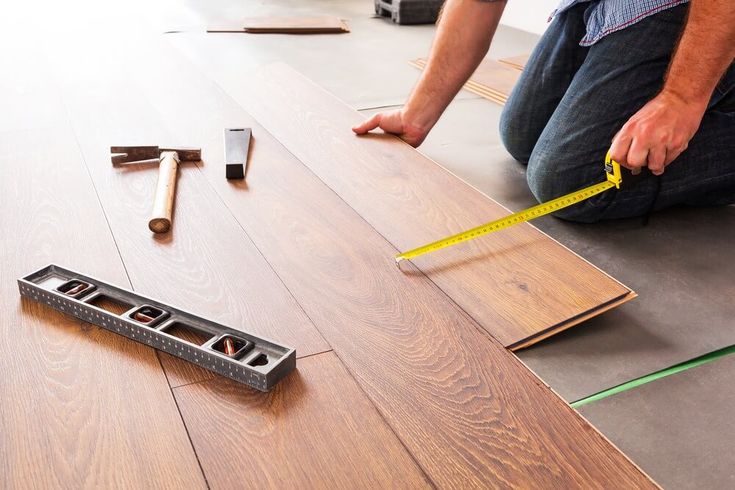
Flooring cost per sq ft is one of the first things homeowners search when planning a renovation or new construction, and for good reason—it directly shapes your budget, choices, and long-term satisfaction.
Whether you’re upgrading a single room or flooring an entire house, understanding how pricing works per square foot helps you avoid surprises later. Many people assume flooring prices are fixed, but in reality, they vary widely based on material, labor, location, and even lifestyle needs.
This guide breaks down real-world flooring costs in a clear, experience-driven way, helping you make informed decisions without jargon or sales pressure.
Understanding Flooring Cost Per Sq Ft in Real Life
When contractors or suppliers quote flooring, they almost always calculate pricing per square foot. This method creates a standard way to compare materials and estimate overall expenses. However, the quoted price rarely tells the whole story.
For example, a homeowner in Delhi replacing tiles in a 1,000 sq ft apartment may receive wildly different quotes depending on material quality, subfloor condition, and installation complexity. The base number might look affordable, but hidden factors can shift the final cost significantly.
The flooring cost per sq ft includes far more than just the visible surface. Adhesives, underlayment, cutting waste, and labor expertise all play a role. Understanding this early prevents budget creep.
Flooring Cost Per Sq Ft by Popular Material Types
Different flooring materials come with their own pricing logic. Some appear cheap upfront but cost more over time, while others feel expensive initially but offer long-term value.
Ceramic and Vitrified Tiles
Tiles remain one of the most popular flooring options in India due to durability and water resistance. Ceramic tiles generally start at lower price points, while vitrified tiles sit on the premium end.
In most urban markets, tile pricing per square foot increases with thickness, finish, and brand reputation. Polished tiles cost more than matte, and imported designs carry a higher tag. Installation charges also rise if complex patterns are involved.
Marble and Natural Stone Flooring
Natural stone has timeless appeal, but it’s rarely budget-friendly. Marble pricing varies drastically depending on origin, color consistency, and slab quality. Italian marble commands a premium, while Indian marble offers more affordable options.
Stone flooring also increases labor costs due to cutting precision and surface preparation. Maintenance expenses should be considered alongside the flooring cost per sq ft, as polishing and sealing are ongoing requirements.
Wooden and Engineered Wood Flooring
Wooden flooring adds warmth and luxury, but prices fluctuate based on wood type and plank thickness. Solid hardwood sits at the top end, while engineered wood provides a more stable and cost-effective alternative.
Engineered flooring is often preferred in apartments because it handles moisture better. Installation methods like click-lock systems can slightly reduce labor expenses, making the overall cost more predictable.
Vinyl and Laminate Flooring
Vinyl and laminate are popular among budget-conscious homeowners who still want style. Modern designs mimic wood and stone convincingly, making them suitable for rentals and quick renovations.
Vinyl flooring tends to have a lower flooring cost per sq ft and is easier to install. Laminate costs slightly more but offers better scratch resistance. Both are low-maintenance, which adds to their appeal.
How Labor Impacts Flooring Cost Per Sq Ft
Labor charges are often underestimated, yet they significantly influence the final budget. Skilled installers charge more, but their work ensures durability and clean finishing.
In metro cities, labor costs are higher due to demand and living expenses. In smaller towns, rates may be lower, but availability of specialized installers can be limited. Complex designs, diagonal layouts, and custom borders further increase labor time and cost.
Choosing cheaper labor might reduce upfront expenses but can lead to uneven surfaces or early damage. From an EEAT perspective, experienced professionals consistently deliver better long-term value.
Hidden Factors That Increase Flooring Cost Per Sq Ft
Many homeowners feel shocked when the final invoice exceeds initial estimates. This usually happens because of overlooked cost drivers.
Subfloor preparation is a major one. Uneven or damaged surfaces require leveling compounds, which adds to material and labor costs. Old flooring removal also comes at an additional charge, especially for stone or glued materials.
Wastage is another factor. Contractors typically add 5–10% extra material to account for cuts and mistakes. This increases the effective flooring cost per sq ft, even though it’s rarely mentioned upfront.
Flooring Cost Per Sq Ft for New Construction vs Renovation
New construction projects often enjoy lower flooring costs because the surface is prepared in advance. Contractors can plan installation efficiently without demolition delays.
Renovation projects, on the other hand, involve removal, debris handling, and adjustments to existing layouts. These steps increase time and labor, making renovations more expensive per square foot even if the same material is used.
Understanding this difference helps set realistic expectations and prevents frustration mid-project.
Location-Based Flooring Cost Differences
Geography plays a surprisingly large role in pricing. Urban areas typically have higher labor charges, while rural regions may offer cheaper installation but fewer material choices.
Imported flooring materials also cost more in areas far from ports or distribution hubs due to transportation expenses. Local availability often determines whether a material is affordable or premium in your area.
Homeowners who compare regional suppliers often find noticeable price differences for the same flooring type.
Flooring Cost Per Sq Ft and Long-Term Value
Price alone shouldn’t be the deciding factor. A slightly higher initial flooring cost per sq ft may save money over time through durability and lower maintenance.
For example, cheap laminate flooring may need replacement within five years, while quality tiles can last decades. Factoring in lifespan and repair costs provides a more accurate picture of value.
Experienced homeowners often prioritize materials that match their lifestyle, especially in high-traffic or moisture-prone areas.
Expert Insights on Choosing the Right Flooring Budget
Interior designers often advise setting aside 10–15% of the total home renovation budget for flooring. This allows flexibility in material selection without compromising quality.
Experts also recommend physically inspecting samples rather than relying solely on online images. Texture, thickness, and finish can significantly affect both appearance and durability.
Trusted contractors emphasize transparent quotations that break down material and labor separately. This clarity strengthens trust and aligns with EEAT principles of expertise and transparency.
Real-World Example: Flooring Cost Planning Done Right
Consider a family renovating a 1,200 sq ft flat in Bangalore. Initially drawn to imported wooden flooring, they reconsidered after understanding moisture risks and maintenance costs.
They ultimately chose premium vitrified tiles, balancing aesthetics, durability, and budget. By planning carefully, they optimized their flooring cost per sq ft while achieving a high-end look that fit their lifestyle.
This kind of informed decision-making prevents regret and enhances long-term satisfaction.
Why Understanding Flooring Cost Per Sq Ft Builds Confidence
Home improvement decisions can feel overwhelming, especially when costs vary so widely. Knowledge removes uncertainty and empowers homeowners to negotiate, compare, and choose wisely.
When you understand how pricing works, you’re less likely to fall for misleading discounts or vague estimates. You can ask better questions and spot red flags early.
Informed choices are the foundation of successful flooring projects, regardless of budget size.
Trust, Quality, and Smart Spending
Flooring is not just a surface you walk on; it’s a long-term investment in comfort and aesthetics. Prioritizing quality materials, skilled labor, and transparent pricing ensures lasting results.
A well-researched approach to flooring cost per sq ft aligns budget control with peace of mind, helping homeowners create spaces they truly enjoy living in.
Read also:
1134679062
16137469140
is hily dating app legit
hily dating app review