

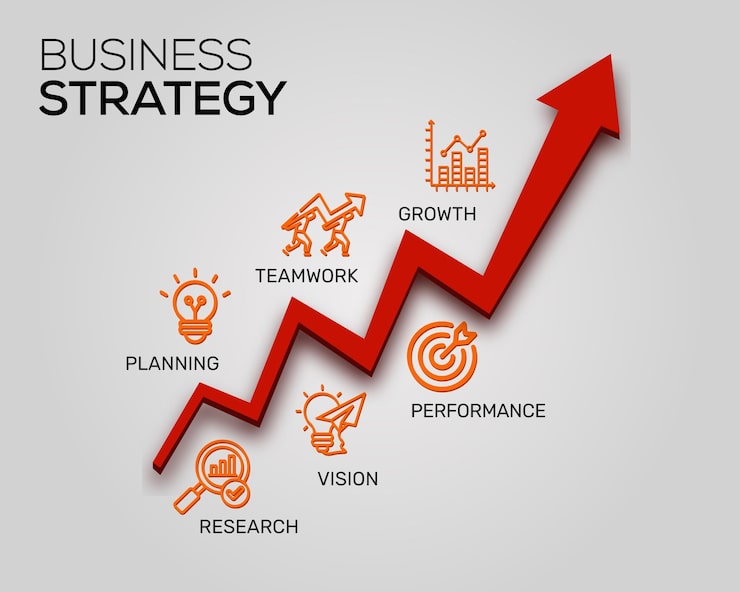
Business Growth Plan development is often the first major challenge every startup faces after launching their product or service. Many founders underestimate how crucial strategic planning is, especially during the early stages when every decision shapes the direction of their company. A well-designed plan doesn’t just help startups survive market competition but also gives them a roadmap to scale sustainably. When crafted with clarity, research, and vision, it becomes the backbone of long-term Business Growth Plan success.
Every successful startup story begins with a founder who understood that growth is not an accident. It’s a combination of informed decisions, consistent execution, and the courage to adjust when the market shifts. The reason some startups scale globally while others disappear is often linked to how well they defined and implemented their Business Growth Plan from the beginning. Growth isn’t just about getting more customers; it’s about creating systems, enhancing value, and ensuring that every step contributes to a bigger mission.
Why a Business Growth Plan Matters in the Startup Journey
A startup enters the market with limited resources, uncertain customer behavior, and strong competition. Without a clear plan, the pressure grows, and decisions become reactive instead of strategic. A Business Growth Plan helps entrepreneurs understand where the Business Growth Plan stands, where it needs to go, and how to reach that destination realistically. Investors, advisors, and partners also view such a plan as a sign of maturity and long-term thinking.
Founders who take growth planning seriously often find themselves making smarter choices about product development, team building, and financial forecasting. One of my early consulting clients, a tech-based service provider, struggled for two years with inconsistent revenue. After creating a structured growth plan, the same company doubled its customer base within eight months simply because their direction became sharply defined.
Core Components of an Amazing Ultimate Growth Strategy
Growth starts with understanding your customer better than anyone else in the market. This is where detailed research becomes essential. A startup must know who they want to attract, what problems they solve, and what value differentiates them from the competition. When your product or service meets a real need, growth becomes more predictable. The Business Growth Plan becomes a practical framework instead of a guesswork document.
Many founders assume growth depends only on marketing or sales, but true expansion requires aligning internal processes, technology, financial management, workflow systems, and brand positioning. When these elements come together, the Business Growth Plan becomes stronger and more capable of scaling without collapsing under its own weight.
Building Trust and Authority Through Smart Positioning
Startups that focus on trust-building from the beginning grow faster. Customers today expect transparency, expertise, and authenticity. Even if your brand is new, sharing your mission, values, customer success stories, and founder journey helps create meaningful emotional connection. A strong brand identity sets the foundation for what your Business Growth Plan aims to achieve.
For example, think of how many small personal-care brands grew massively by sharing the story behind their formulas, ingredients, and passion for sustainability. People don’t just buy products; they buy emotions, trust, and values. When your growth plan includes building authority, the chances of organic expansion increase significantly.
Marketing Integration for Sustainable Startup Growth
Marketing is the engine that fuels growth. Startups often experiment with many channels and burn resources because they lack a structured approach. A growth-driven marketing system begins by identifying where your audience spends time and how they prefer receiving information. Social media, SEO, email, partnerships, and referral systems are only effective when used strategically.
A founder I worked with in the fitness industry realized that Instagram engagement alone wasn’t leading to sales. When he integrated content marketing, email nurturing, and customer testimonials into his Business Growth Plan, the brand began converting casual followers into loyal clients. Sustainable marketing is not about doing everything; it’s about doing what works consistently.
Financial Stability as a Pillar of Long-Term Growth
A growth plan without financial strategy is incomplete. Startups must understand their cost structure, pricing model, profit margins, and projected cash flow. Many Business Growth Plan collapse because they scale too fast without proper financial security. True growth means expanding with confidence, not desperation.
Financial planning also includes setting milestones, forecasting expenses, and allocating budget for innovation and marketing. With strong financial discipline, a startup gains stability and resilience during market changes. This is where a carefully designed Business Growth Plan offers direction and reduces uncertainty.
Crafting a Scalable Team Structure
No startup can grow without the right people. Hiring early employees based on passion, skill, and adaptability ensures that the company culture remains strong. A scalable team is built on clarity — each member knows their responsibilities, goals, and contribution to the company’s mission. As the startup expands, clear communication and leadership training become vital.
A well-structured growth plan includes mapping out future roles, skills needed, leadership expectations, and team development. When the team grows with the company, productivity increases and internal conflicts reduce. This alignment accelerates both performance and innovation.
Innovation as the Heart of Every Successful Startup Plan
Innovation keeps startups relevant and competitive. Markets evolve, customer needs change, and technology advances rapidly. When a Business Growth Plan continues refining its products, improving customer experiences, and introducing new ideas, growth becomes a natural outcome. A strong Business Growth Plan always includes space for innovation.
Some of the world’s biggest startups achieved massive success not because they invented something new, but because they improved an existing idea and executed it better. Innovation doesn’t always mean invention; it often means enhancement.
Customer Experience and Retention as Growth Drivers
Startups often focus heavily on acquiring new customers and forget about nurturing the existing ones. Retention plays a huge role in long-term growth because returning customers spend more, trust more, and provide valuable feedback. A growth-focused Business Growth Plan ensures smooth onboarding, clear communication, reliable support, and personalized service.
A startup that creates memorable customer experiences builds a community instead of just a customer base. When customers feel valued, they naturally recommend the brand to others, making organic growth stronger and more cost-effective.
Using Data and Analytics to Guide Startup Decisions
Data-driven decisions prevent costly mistakes. Tracking customer behavior, conversion rates, marketing performance, and financial patterns helps founders understand what’s working and what needs improvement. A successful Business Growth Plan uses analytics to guide strategy, measure progress, and adjust direction when needed.
Even small startups with limited resources can use free tools to gather insights and make smarter decisions. When data becomes part of the culture, growth becomes more consistent and predictable.
Read also:-