

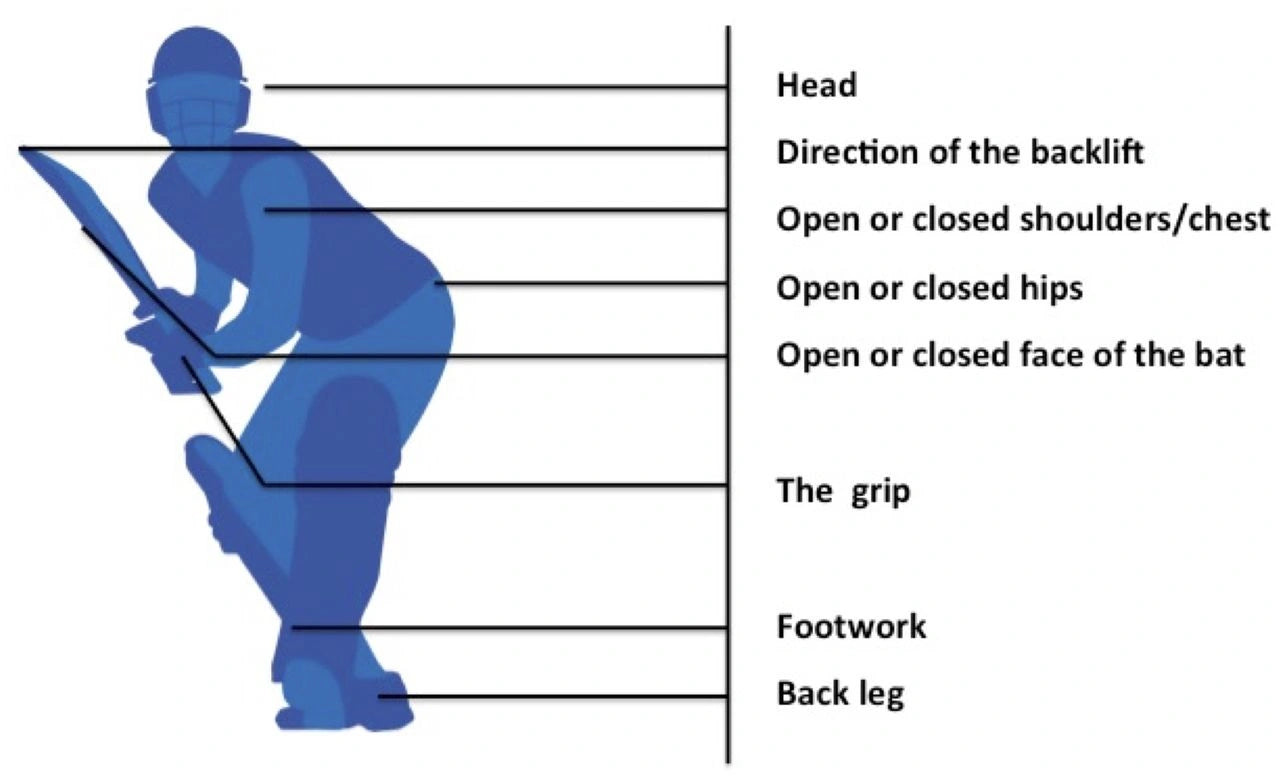
Cricket Batting Techniques are essential for every player aiming to improve performance, consistency, and confidence at the crease. For new players, understanding the fundamentals of batting can make a huge difference in building a strong cricketing foundation.
Understanding the Basics of Cricket Batting Techniques
The journey of mastering Cricket Batting Techniques begins with learning the basic stance, grip, and footwork. A correct stance ensures balance, while the proper grip allows control and power during shots.
For instance, a beginner named Aman struggled with timing when playing off-spin. By focusing on grip adjustments and stance balance during practice, he improved his shot precision dramatically.
The Importance of Footwork
Footwork is one of the most critical elements in Cricket Batting Techniques. Good footwork allows players to reach the ball quickly, adjust to different deliveries, and maintain balance while playing offensive or defensive shots.
New players often focus only on swinging the bat, neglecting foot movement. Coaches emphasize drills like quick forward steps, backward movement for short balls, and side-to-side agility exercises to strengthen footwork.
Mastering the Grip and Stance
A proper grip helps transfer power from the arms and body into the bat, while a solid stance provides stability. Beginners must practice holding the bat with relaxed fingers and shoulders aligned, ensuring the head is steady and eyes level.
Real-life examples show that even minor adjustments in grip can enhance control, especially against fast bowlers. Players like Virat Kohli highlight how attention to stance and grip contributes to consistent performance.
Shot Selection Strategies
Learning Cricket Batting Techniques includes understanding which shot to play in different situations. Defensive shots help protect the wicket, while attacking strokes like drives, cuts, and pulls enable scoring opportunities.
Practicing various deliveries in nets teaches new players to judge line, length, and pace effectively. Over time, this builds confidence and reduces hesitation at the crease.
Timing and Hand-Eye Coordination
Perfect timing is the hallmark of excellent batting. Through repetitive practice, beginners enhance hand-eye coordination, which is crucial for connecting the bat to the ball accurately.
For example, practicing with bowling machines or under controlled net sessions allows new players to face different types of deliveries, improving reflexes and shot execution.
Building Mental Strength
Effective Cricket Batting Techniques are not just physical; mental preparation is equally important. Players must focus, stay patient, and read the bowler’s intentions.
Young players like Aarav, who initially struggled with short ball aggression, learned through visualization and concentration drills to anticipate ball movement and maintain composure under pressure.
Practicing Against Different Bowlers
Diversity in practice sessions helps beginners adapt to various bowling styles. Facing fast bowlers, spinners, and swing bowlers improves versatility and decision-making, which are key components of Cricket Batting Techniques.
Coaches often simulate match conditions in nets, including field placements, pressure situations, and scenario-based drills, helping players prepare for real-game challenges.
Strengthening Core and Upper Body
Physical fitness complements batting skills. Core strength improves balance and stability, while strong arms and shoulders generate power in shots. Regular strength training, stretching, and agility exercises enhance the effectiveness of Cricket Batting Techniques.
New players who integrate fitness routines with skill practice often see rapid improvements in their ability to play longer innings without fatigue.
Practicing Defensive and Offensive Shots
Balancing defensive and attacking strokes is essential. Defensive techniques protect the wicket and allow time to study the bowler, while offensive shots help build runs.
Beginners should allocate practice sessions to defensive strokes against challenging deliveries, followed by practicing drives, pulls, and sweeps to develop scoring skills.
Using Video Analysis and Feedback
Modern cricket training incorporates technology to refine Cricket Batting Techniques. Recording batting sessions and analyzing shots, footwork, and timing provides actionable feedback for beginners.
Through consistent feedback loops, players can identify weaknesses, make adjustments, and track progress over weeks or months.
Developing Match Awareness
Understanding game situations, such as scoring requirements, field placements, and bowler tendencies, helps players apply Cricket Batting Techniques effectively.
Scenario-based practice, including simulated match conditions, prepares beginners to make strategic decisions on when to attack, defend, or rotate the strike.
Practicing Patience and Concentration
A successful batsman maintains focus and patience throughout the innings. Beginners often rush shots, leading to dismissals. Learning to wait for the right delivery and assessing risk is an integral part of Cricket Batting Techniques.
Regular mental exercises, focus drills, and meditation techniques help young players sustain concentration during long innings.
Importance of Regular Practice
Mastering Cricket Batting Techniques requires consistent practice. Net sessions, friendly matches, and self-drills allow beginners to apply skills in various conditions, improving muscle memory, reflexes, and decision-making.
Players who practice regularly notice significant improvements in shot execution, footwork precision, and confidence in match situations.
Learning From Experienced Players
Observing and interacting with experienced batsmen accelerates learning. Coaches and senior players provide tips on stance adjustments, shot selection, and handling different types of deliveries.
Beginners who actively seek feedback and implement advice refine their Cricket Batting Techniques faster and adapt to competitive match situations efficiently.
Combining Physical and Mental Preparation
Successful batting integrates physical skills with mental alertness. Practicing under pressure, visualizing match scenarios, and maintaining fitness ensures beginners can perform consistently.
Players like Sachin Tendulkar often emphasize the balance between technique, focus, and mental resilience as the secret to long-lasting success.
Tracking Progress and Setting Goals
Beginners should set specific goals, such as improving strike rate, mastering a particular shot, or enhancing defensive play. Tracking performance in nets and matches helps measure improvement in Cricket Batting Techniques.
Goal-setting instills discipline, motivation, and a sense of achievement as players progress through different skill levels.
Read also:
afghanistan national cricket team vs england cricket team timeline
afghanistan national cricket team vs england cricket team standings
south africa national cricket team vs pakistan national cricket team match scorecard