

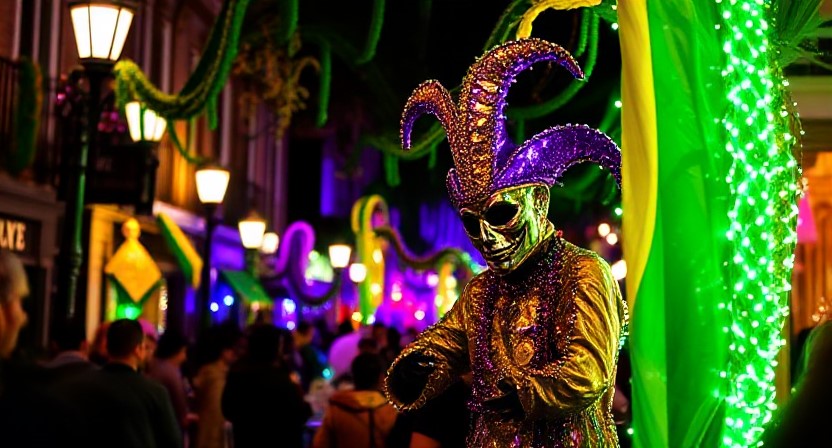
Mardi Gras, also known as Fat Tuesday, is the pinnacle of festive celebrations in New Orleans. This annual event, synonymous with joy, color, and revelry, attracts millions of visitors who come to experience its iconic parades, dazzling costumes, and lively parties. Mardi Gras in New Orleans is not just a celebration; it’s an emblematic cultural phenomenon deeply interwoven with the city’s identity. Let’s explore the history, significance, and highlights of Mardi Gras in New Orleans.
Historical Roots of Mardi Gras in New Orleans
The origins of Mardi Gras in New Orleans date back to the early 18th century, brought by French settlers. The term “Mardi Gras” translates to “Fat Tuesday” in French, referring to the practice of indulging in rich foods before the Lenten season of fasting and abstinence. The first recorded Mardi Gras parade in New Orleans took place in 1837, and since then, the celebration has grown in scale and popularity.
Mardi Gras in New Orleans has its roots in medieval Europe, particularly in France and Italy. With the spread of Christianity, the pre-Lenten festivities evolved into a grand celebration. The tradition was further influenced by African, Caribbean, and Native American cultures, resulting in the unique and vibrant Mardi Gras we know today.
The Significance of Mardi Gras
Mardi Gras holds deep cultural, religious, and social significance. It is a time for communities to come together and celebrate with joy and abandon. The festivities provide an opportunity for people to express their creativity, embrace their heritage, and strengthen communal bonds.
Religiously, Mardi Gras is rooted in the Christian liturgical calendar and is closely associated with the period of Lent. Lent is a 40-day period of fasting, prayer, and penance that begins on Ash Wednesday and culminates in Easter Sunday. Mardi Gras serves as the final day of feasting and celebration before the somber observance of Lent.
Culturally, Mardi Gras is a showcase of artistic expression and cultural pride. The parades, music, costumes, and decorations reflect the diverse influences and traditions that have shaped the celebration over the centuries. Each krewe, a social club that organizes parades and events, brings its unique customs and themes to the festivities, adding to the richness and diversity of Mardi Gras.
Iconic Mardi Gras Parades
The parades are the heart and soul of Mardi Gras in New Orleans. Each krewe spends months preparing its floats, costumes, and throws to create a spectacular display. Some of the most iconic parades include:
1. Krewe of Rex: As one of the oldest and most prestigious krewes, the Krewe of Rex is known for its elaborate and regal floats. The Rex parade takes place on Fat Tuesday and is a highlight of the Mardi Gras festivities. With colorful floats, intricate designs, and the iconic King of Carnival, the Rex parade captivates spectators and embodies the spirit of Mardi Gras.
2. Krewe of Zulu: The Krewe of Zulu is famous for its unique and vibrant floats, as well as its tradition of throwing painted coconuts to the crowds. The Zulu parade is a must-see event on Fat Tuesday, featuring lively music, striking costumes, and a joyous atmosphere.
3. Krewe of Bacchus: The Krewe of Bacchus is known for its spectacular and larger-than-life floats. The Bacchus parade takes place on the Sunday before Fat Tuesday and features celebrity guests, impressive light displays, and a festive ambiance that enthralls spectators.
4. Krewe of Endymion: Endymion is one of the largest krewes in New Orleans, and its parade is a grand spectacle of light, color, and music. The Endymion parade, held on the Saturday before Fat Tuesday, is known for its massive floats and impressive decorations, making it a standout event.
5. Krewe of Muses: The Krewe of Muses is an all-female krewe known for its creativity and wit. The Muses parade takes place on the Thursday before Fat Tuesday and features artistic floats, humorous themes, and the coveted hand-decorated shoes thrown by the krewe members.
Mardi Gras Costumes and Masks
Costumes and masks are an integral part of the Mardi Gras experience, allowing revelers to express their creativity and immerse themselves in the festive spirit. Mardi Gras costumes are characterized by their bold colors, intricate designs, and symbolic elements. Participants often spend months preparing their outfits, incorporating feathers, sequins, beads, and other embellishments.
Masks add an element of mystery and allure, enabling revelers to embrace new personas and fully engage in the celebration. The tradition of wearing masks dates back to the early days of Mardi Gras and continues to be a cherished aspect of the festivities. Whether it’s a full-face mask, an elegant eye mask, or a whimsical nose mask, each one adds to the visual spectacle of Mardi Gras.
The Tradition of Throws
One of the most beloved traditions of Mardi Gras is the throwing of beads, coins, and other trinkets from floats to the crowds. Known as “throws,” these items are a symbol of generosity and good luck. Parade-goers eagerly collect the throws, which serve as cherished mementos of the celebration.
Throws often reflect the colors and themes of Mardi Gras, with beads, doubloons, and other trinkets adorned in vibrant hues and intricate designs. The tradition of throws adds an interactive and exciting element to the parades, fostering a sense of connection and shared experience among participants and spectators.
Music and Dance in Mardi Gras
Music and dance are central to the Mardi Gras experience, adding to the festive and energetic atmosphere. New Orleans is known for its rich musical heritage, and Mardi Gras features a diverse array of performances, from jazz and brass bands to contemporary artists.
The parades are accompanied by live music, with marching bands and musical floats filling the air with joyous melodies. Second line parades, a tradition rooted in African American culture, are a common sight during Mardi Gras. These parades feature brass bands and dancing participants who follow the music, creating a spontaneous and lively procession through the streets.
Dance is also an essential part of the celebration, with dance troupes and performers showcasing their talents during parades and events. From traditional dances to modern choreography, the diversity of dance styles adds to the richness of the Mardi Gras experience.
Culinary Delights of Mardi Gras
Mardi Gras is also a time for indulging in delicious and decadent foods. New Orleans’ cuisine is renowned for its rich flavors and unique dishes, and Mardi Gras offers a feast for the senses. Traditional Mardi Gras foods include king cake, gumbo, jambalaya, and beignets.
The king cake, a sweet pastry decorated in the Mardi Gras colors of purple, green, and gold, is a staple of the celebration. It is often filled with cinnamon, cream cheese, or fruit, and a small plastic baby is hidden inside. The person who finds the baby in their slice is traditionally tasked with hosting the next king cake party.
Local restaurants and food vendors also offer a variety of Mardi Gras-themed dishes, from po’boys and crawfish étouffée to pralines and muffulettas. The diverse and flavorful cuisine adds to the sensory experience of Mardi Gras, allowing revelers to savor the taste of New Orleans.
The Impact of Mardi Gras on New Orleans
Mardi Gras has a profound impact on the city of New Orleans, both culturally and economically. The celebration attracts millions of visitors each year, generating significant revenue for local businesses, hotels, restaurants, and vendors. The influx of tourists contributes to the city’s economy and helps support the livelihoods of many residents.
Socially, Mardi Gras serves as an important cultural event that preserves and promotes traditions, customs, and values. It is a time for individuals to connect with their heritage, celebrate their identity, and pass down traditions to future generations. The inclusive and participatory nature of Mardi Gras allows people from all walks of life to join in the festivities and create lasting memories.
Family-Friendly Mardi Gras
While Mardi Gras is often associated with adult revelry, many events and parades are designed to be family-friendly. These parades offer a safe and enjoyable experience for children and families, allowing everyone to join in the celebration.
1. Krewe of Little Rascals: As the oldest and largest children’s Mardi Gras krewe, the Krewe of Little Rascals hosts a delightful parade that features floats, bands, and costumed children. The parade is a highlight for families and takes place a few weeks before Fat Tuesday.
2. Krewe of Barkus: The Krewe of Barkus is a parade dedicated to our furry friends. Dog owners dress their pets in creative costumes, and the parade winds through the French Quarter. The Krewe of Barkus parade is a unique and fun event, perfect for animal lovers.
Conclusion
Mardi Gras in New Orleans is a celebration like no other, embodying the city’s rich cultural heritage and vibrant spirit. From the iconic parades and elaborate costumes to the lively music and delicious cuisine, every aspect of Mardi Gras reflects the joy and tradition that define this extraordinary event. As you immerse yourself in the festivities, embrace the magic of Mardi Gras and create lasting memories in the heart of the Crescent City.