

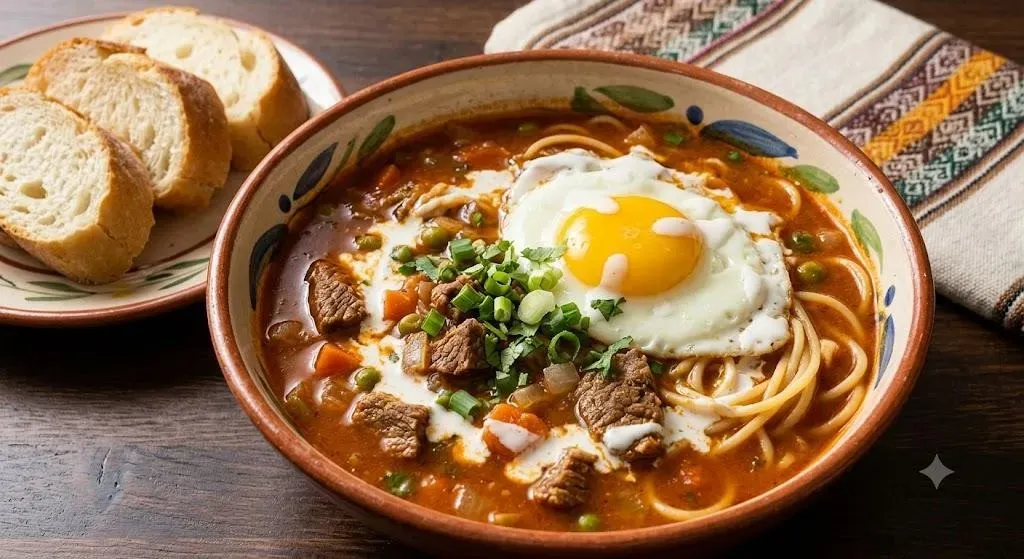
Meal preparation can make busy weekdays feel less rushed and more manageable. bestmenuideas.com shares simple food ideas for people who want useful menus, everyday recipes, and practical ways to organize cooking. Meal prep does not mean eating the same plate every day, and it does not require spending an entire Sunday in the kitchen. A few prepared ingredients can help you put together different meals without starting everything from scratch.
Begin With a Weekly Menu
A weekly menu should reflect your real schedule instead of an ideal routine. Check which days you will have time to cook and which evenings will be especially busy. Some days may need a quick meal, while others allow more preparation. Planning around your actual commitments makes the menu easier to follow.
Choose a few main dishes that share useful ingredients. For example, cooked beans can work in a grain bowl, a wrap, or a simple soup. Roasted vegetables can become a side dish, pasta addition, or sandwich filling. Using ingredients in several meals helps reduce shopping and preparation work.
Do not plan every meal with strict details unless that approach suits you. Leave room for changing plans, unexpected work, or ingredients that need using sooner. A flexible menu is more realistic than a schedule that becomes difficult after one busy day.
Prepare Ingredients Instead of Meals
Some people prefer preparing complete meals in advance, while others find prepared ingredients more useful. You can wash vegetables, cook grains, prepare sauces, or portion proteins without assembling every meal. This gives you several choices during the week.
For example, cooked rice can be paired with different vegetables and seasonings on separate days. A prepared tomato sauce can work with pasta, beans, or a vegetable bake. These ingredients save time while allowing meals to feel different.
Ingredient preparation also helps when household members prefer different combinations. Keep components separate and let everyone build a suitable plate. This works well for bowls, wraps, and simple lunch boxes. It can reduce the need to cook several complete dishes.
Choose Reliable Meal Prep Foods
Some foods are easier to prepare ahead than others. Grains, beans, lentils, roasted vegetables, cooked chicken, and suitable sauces can be useful choices. Their storage needs still matter, so follow safe food handling practices when preparing them.
Choose recipes that maintain a good texture after storage. Some crisp foods become soft when refrigerated, while certain sauces may thicken. Keep ingredients separate when combining them would affect the finished meal. This small adjustment can improve the quality of prepared food.
Avoid preparing large quantities of unfamiliar recipes at once. Try a smaller batch first and see how it tastes after storage. If the texture or flavor changes too much, choose another preparation method. Meal prep should make eating easier rather than create extra frustration.
Plan Breakfast Before Busy Mornings
Breakfast preparation can save valuable time during early mornings. Overnight oats, boiled eggs, yogurt portions, fruit, and prepared sandwich fillings are useful options. Choose foods that match your appetite and morning routine.
Dry ingredients can be portioned into containers before the week begins. Add milk or another liquid when preparing the meal according to your recipe. Keep fresh fruit separate when it may release too much moisture. These details help maintain a better texture.
You can also prepare breakfast components without fully assembling them. Wash fruit, portion cereal, or prepare a suitable batter when safe. This gives you more flexibility in the morning. A quick breakfast can still feel fresh and satisfying.
Make Lunch Boxes More Interesting
Lunch boxes often become repetitive when the same combination appears every day. Change the main ingredient, seasoning, or side dish to create more variety. A rice bowl on Monday can become a wrap on Tuesday using similar prepared ingredients.
Include a mixture of textures when possible. Soft grains can pair with crisp vegetables, while a creamy dressing may work with roasted ingredients. Keep sauces separate if they could make the meal soggy. This helps lunch remain enjoyable after transport.
Use containers that close properly and suit the food being packed. Keep hot and cold foods at safe temperatures during storage and travel. If your workplace has a refrigerator, use it for perishable lunches. Food safety should not be overlooked just because meals are prepared ahead.
Organize Dinner Preparation
Dinner prep works best when you identify the parts that take the longest. Grains may need cooking, vegetables may need chopping, and proteins may require seasoning. Preparing some of these components earlier can reduce evening work.
You can plan one quick dinner for each busy day. Pasta, soup, stir-fried vegetables, and simple rice bowls are often practical choices. Keep ingredients ready so the meal requires only final cooking. This approach is easier than trying to prepare everything during a short evening.
A prepared sauce can make several dinners more convenient. Tomato sauce, yogurt-based dressing, or a simple herb mixture can be stored according to safe guidelines. Use different combinations so the meals do not taste identical. Small changes in seasoning can make a noticeable difference.
Use a Practical Shopping List
A shopping list should follow the menu rather than contain random ingredients. Write down the items needed for each planned meal, then check your kitchen before buying them. This prevents purchasing duplicates and helps control spending.
Group the list by type when shopping. Vegetables, grains, dairy products, proteins, and pantry ingredients can be listed separately. This makes it easier to move through the store. It also reduces the chance of forgetting an important item.
Buy quantities that match your planned meals. Large packages may look economical, but they are not useful when ingredients spoil before you use them. Choose suitable amounts and consider frozen options when they fit the recipe. Practical shopping is about value, not simply buying more.
Store Prepared Food Safely
Safe storage is one of the most important parts of meal prep. Refrigerate perishable food promptly and use clean, suitable containers. Avoid leaving cooked meals at room temperature for extended periods. Follow reliable food safety guidance for storage times and reheating.
Label containers with preparation dates when several meals are stored together. This makes it easier to use older food first. Keep raw ingredients separate from ready-to-eat foods. Clean hands, utensils, and surfaces during preparation.
Do not assume that food remains safe because it smells normal. Some harmful contamination may not change its appearance or smell. When food has been stored improperly or for too long, discard it. A small amount of wasted food is better than risking illness.
Keep Meal Prep Flexible
Meal prep should support your routine rather than control it. If a planned meal no longer suits the day, use the prepared ingredients differently. A vegetable mixture can become soup, pasta filling, or a quick side dish. Flexibility helps prevent prepared food from going unused.
You can also prepare only part of the week’s menu. Start with two or three meals and see how the process feels. Add more preparation when it becomes comfortable. There is no need to follow a complicated system immediately.
The most useful meal prep routine is the one you can maintain. Keep the recipes familiar, the shopping list practical, and the storage process safe. Over time, you will learn which ingredients save the most time. That experience can make weekly cooking much easier.
Conclusion
Meal prep can simplify breakfast, lunch, and dinner when it focuses on realistic planning and useful ingredients. Prepare grains, vegetables, sauces, and other components that can work across several meals. Keep food stored safely and leave enough flexibility for changing plans. Explore more practical menu ideas and everyday food inspiration to make weekly cooking easier to manage.
Read also :-