

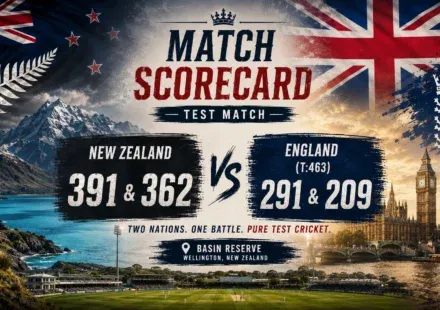
Cricket scorecards can look crowded because several parts of a match appear together. cricketscore.it.com gives readers another place to explore cricket scorecard information, player performances, innings statistics, and match details. New followers sometimes focus only on the final result and miss the numbers explaining how that result developed. A scorecard can show which batters built an innings, which bowlers created pressure, when wickets changed the situation, and how quickly runs were scored. Learning to connect these details makes watching cricket more interesting. It also makes post match discussions easier because the numbers provide useful evidence behind different performances.
Check The Match Format
The match format should be identified before studying detailed statistics because it changes how many numbers should be interpreted. Test cricket, One Day Internationals, and T20 matches have very different structures and scoring expectations. A batter’s strike rate can be extremely important in a short innings, while other statistics may receive more attention during longer matches. Bowling economy also needs format specific context because expected scoring rates are different. Checking the format first prevents readers from comparing figures as though every cricket match follows exactly the same conditions. This small habit makes the rest of the scorecard easier to understand.
Read The Innings Summary
The innings summary gives a quick picture of what happened before readers examine individual players. Runs scored, wickets lost, and overs completed should normally be considered together. A team reaching two hundred fifty runs while losing only four wickets has experienced a different innings from a side reaching the same score after losing nine wickets. The number of overs also changes the meaning of the total because faster scoring usually indicates a different approach. Readers can begin by asking how many runs were made, how many wickets were lost, and how many deliveries were used. These simple questions provide useful context immediately.
Compare Batter Contributions
Individual batting figures help explain which players contributed most directly to the innings. Scorecards commonly show runs, balls faced, boundaries, and dismissal information. A high score can look impressive, but the number of deliveries used provides additional context about the player’s approach. Someone scoring eighty runs from fifty balls has created a different scoring pattern from someone taking one hundred twenty deliveries for the same total. Batting position should also be considered because openers and lower order players can face different match situations. A scorecard cannot explain every tactical detail, but these basic figures can reveal important differences between individual contributions.
Look Beyond Highest Score
The highest individual score naturally attracts attention, but it does not always explain why an innings became successful. Several medium sized contributions can sometimes be more important than one large score. A batter may score forty runs while building a valuable partnership after early wickets, while another player may score a larger number when the match is already under control. Readers should therefore examine several batting figures together instead of focusing on one name. Partnerships, balls faced, boundaries, and the timing of dismissals can provide additional information. This broader view makes the batting section much more useful during detailed match analysis.
Examine Bowling Pressure
Bowling figures can show how different players affected the scoring pace throughout an innings. Overs, maidens, runs conceded, wickets, and economy rate are common scorecard measurements. A bowler with only one wicket may still have made an important contribution by conceding very few runs and limiting scoring opportunities. Another bowler may take several wickets while conceding more runs. Neither performance should automatically be considered better without understanding the match situation. Looking at bowling figures alongside the batting total and wickets lost can reveal which periods of the innings were difficult for the batting side.
Follow Important Partnerships
Partnerships can explain how an innings recovered after difficult moments or accelerated during a favorable period. A strong opening partnership may provide a stable beginning, while a middle order partnership can rebuild after several early wickets. Lower order partnerships can also become important when a team needs additional runs during the final stages. Readers should compare partnership figures with the fall of wickets because these sections often explain each other. A large partnership followed by several quick dismissals can show a clear change in momentum. Partnership statistics therefore provide useful information about teamwork that individual batting scores cannot fully describe.
Understand Extras Properly
Extras contribute to the team total but are not credited as runs directly to individual batters. Wides, no balls, byes, and leg byes appear in different categories because they arise from different situations. A large extras total can influence the final score and may indicate issues with bowling control or fielding circumstances. Readers should remember that extras are still part of the team’s scoring achievement even though they do not appear beside a batter’s name. Checking the extras section can also explain why adding all individual batting scores does not always produce the exact innings total. This makes the section worth reviewing rather than ignoring.
Watch Wicket Timing
The fall of wickets provides useful information about when an innings became unstable or regained control. Losing a wicket at a low score can create pressure, particularly when another dismissal follows soon afterward. A team may also lose wickets regularly but still maintain a healthy scoring rate through strong partnerships. The timing of each dismissal becomes more useful when combined with the runs scored at that moment. Readers can identify whether wickets fell during the opening overs, middle stages, or final part of the innings. This helps explain how the batting side moved between stable and difficult periods.
Track Scoring Momentum
Run rate provides a simple way to understand how quickly a team was scoring during an innings. In limited overs cricket, readers can compare the current scoring rate with the number of overs remaining. During a chase, the required run rate becomes particularly important because it shows how quickly the batting side must score to reach the target. A team with several wickets remaining may have more flexibility even when the required rate is high. Another team may face greater pressure with the same rate after losing several key batters. Scoring rate therefore becomes more meaningful when it is connected with available resources.
Compare Different Innings
A scorecard becomes more informative when the innings are compared instead of being studied separately. The first batting side may create a strong total through one major partnership, while the chasing team could approach the target through several smaller contributions. Comparing wickets, overs, boundaries, partnerships, and scoring rates can show how the two teams handled similar conditions differently. A close final margin may hide periods when one side was clearly in control. Likewise, a comfortable victory may have involved a difficult early phase that was later overcome. Comparing both innings gives readers a better understanding of the complete contest.
Use Match Context Too
Statistics provide useful information, but they cannot always explain unusual performances without additional context. Weather, pitch conditions, injuries, dropped catches, tactical decisions, and changes in playing conditions can influence what appears on the scorecard. Reliable commentary or match reports can help explain these details when the numbers seem surprising. A low batting score does not always mean poor performance, just as a high score does not automatically mean the player faced difficult circumstances. Readers should use statistics as evidence while remaining aware that cricket matches involve many factors that cannot be represented through a few columns.
Conclusion
Cricket scorecards become easier to read when readers connect batting, bowling, partnerships, extras, wickets, and scoring rates instead of examining isolated numbers. Match format and playing conditions provide important context for understanding whether particular performances were genuinely significant. Comparing both innings can also reveal changes in momentum that the final result does not show clearly. cricketscore.it.com can provide additional cricket scorecard information for readers who want to understand match statistics and player contributions more confidently. With regular practice, even detailed scorecards can become useful tools for following the changing story of a cricket match.
Read also :-
england cricket team vs australian men’s cricket team timeline